
Finding Hope and Resilience: Practical Strategies for Healing After Trauma
In this inspiring episode of Mamahood After Trauma, host Emily welcomes Ann, who shares her journey of healing from early childhood loss, financial hardship, and mental health struggles.
Ann discusses the power of community, therapy, and practical tools like affirmations and reframing negative thoughts. She emphasizes resilience, staying open to new solutions, and the importance of small acts of kindness and gratitude.
Listeners are encouraged to seek support, embrace vulnerability, and remember that hope and healing are possible—even in the midst of life’s greatest challenges.

Table of Contents
Introduction and Welcome (00:00:00) Emily introduces the podcast, offers a free resource, and welcomes guest Ann.
Anne’s Early Life and Trauma Background (00:01:29) Ann shares about losing her father, her mother’s remarriage, and the resulting anxiety, depression, and financial challenges.
Navigating Financial and Life Upheavals (00:03:18) Ann discusses job loss, financial stress, and advice from a friend about resilience and being open-minded.
Discovering Financial Solutions and Support (00:05:38) Ann explains her passion for financial solutions and the importance of community support during crises.
Coping with Anxiety and Depression (00:06:02) Ann describes her struggles with mental health, therapy, and learning to give herself grace.
Therapy, Mindset Shifts, and Gratitude (00:06:55) Ann talks about using the "Feeling Good Handbook," reframing thoughts, and finding gratitude after hardship.
Receiving and Giving Support (00:09:42) Ann recounts receiving help during tough times and the importance of paying it forward.
Building Resilience and Tracking Progress (00:12:24) Ann reflects on personal growth, using affirmations, and keeping track of progress to stay hopeful.
Letting Go of Control and Embracing Vulnerability (00:14:31) Discussion on the illusion of control, flexibility, and being open with others about struggles.
The Power of Community (00:14:55) Emily and Ann emphasize the crucial role of community in healing and resilience.
Key Takeaways and Action Steps (00:16:40) Ann shares advice about self-permission, being open to new solutions, and reframing challenges.
Financial Breakthroughs and Openness to Change (00:17:09) Ann describes discovering new financial strategies and the importance of trying unfamiliar approaches.
Final Thoughts and Resources (00:19:52) Ann provides her contact information and encourages listeners that help is available for any challenge.
Episode Closing (00:20:26) Emily wraps up the episode, reminding listeners they are not alone and to access the free guide.
Healing and Resilience: Actionable Strategies for Motherhood After Trauma
Motherhood After Trauma is more than a podcast—it's a lifeline for mothers navigating the complex journey of healing after life’s hardest moments. In a recent episode, host Emily sat down with Ann, who shared her deeply personal story of trauma, financial upheaval, anxiety, and the hard-won lessons of resilience. This blog post distills the episode’s most powerful insights, offering you a comprehensive guide to healing, hope, and practical action.
Understanding Trauma’s Ripple Effects
Ann’s story is a testament to the far-reaching impact of trauma. The loss of her father at age four, a turbulent second marriage for her mother, and subsequent financial and emotional struggles shaped her journey. Trauma, as Emily and Ann discuss, doesn’t just affect our emotions—it touches every aspect of life:
- Physical health (stress, sleep, chronic illness)
- Mental health (anxiety, depression, PTSD)
- Spiritual well-being (loss of meaning, hope)
- Financial stability (job loss, insecurity)
- Parenting and relationships (emotional availability, modeling resilience)
Recognizing these interconnected effects is the first step toward holistic healing.
Tip 1: Embrace Open-Mindedness in Recovery
“Be open-minded about doing things differently than you have before.”
— Ann
Why It Matters
Trauma often forces us into uncharted territory. What worked before may not work now. Anne’s friend, recovering from a severe burn, found unexpected relief in Lamaze breathing techniques—something he never would have considered if he hadn’t been open to new ideas.
Actionable Advice
- Try new coping strategies: If traditional methods aren’t working, explore alternatives—breathing exercises, mindfulness, art therapy, or even unconventional pain management techniques.
- Stay curious: Ask, “What haven’t I tried yet?” or “What do others in my situation find helpful?”
- Be willing to experiment: Healing isn’t linear. Give yourself permission to try, fail, and try again.
Expert Insight
Openness is a hallmark of resilience. Research shows that flexible thinking and willingness to adapt are key predictors of recovery after trauma.
Tip 2: Build and Lean on Your Support Network
“Surround yourself with supportive people so you don’t feel alone.”
— Ann
Why It Matters
Isolation magnifies pain. Community—whether friends, family, support groups, or professionals—provides validation, practical help, and hope.
Actionable Advice
- Identify your support system: List people you trust and can reach out to in tough times.
- Be vulnerable: Share your struggles honestly. Let others in, even if it feels uncomfortable.
- Seek professional help: Therapists, counselors, and support groups can offer specialized guidance.
Expert Insight
Social support is one of the strongest buffers against the negative effects of trauma. Even small gestures—a text, a meal, a listening ear—can make a profound difference.
Tip 3: Assess and Celebrate Your Resources
“What resources do I have now in this new normal?”
— Ann
Why It Matters
Trauma changes your landscape. Instead of focusing on what’s lost, take stock of what remains and what’s newly available.
Actionable Advice
- Inventory your resources: Skills, relationships, community programs, financial tools, and personal strengths.
- Mark milestones: Celebrate small wins—getting through a tough day, making a phone call, or finding a new resource.
- Create rituals of celebration: Anne’s friend held a “Summertime Celebration of Recovery Event”—find your own way to honor progress.
Expert Insight
Celebrating progress, no matter how small, builds momentum and reinforces hope.
Tip 4: Practice Self-Compassion and Grace
“Give yourself grace—to allow yourself to feel all the stages of loss and grief without judgment.”
— Ann
Why It Matters
Healing is messy. Self-criticism only deepens wounds. Anne’s turning point came when she allowed herself to feel, grieve, and move at her own pace.
Actionable Advice
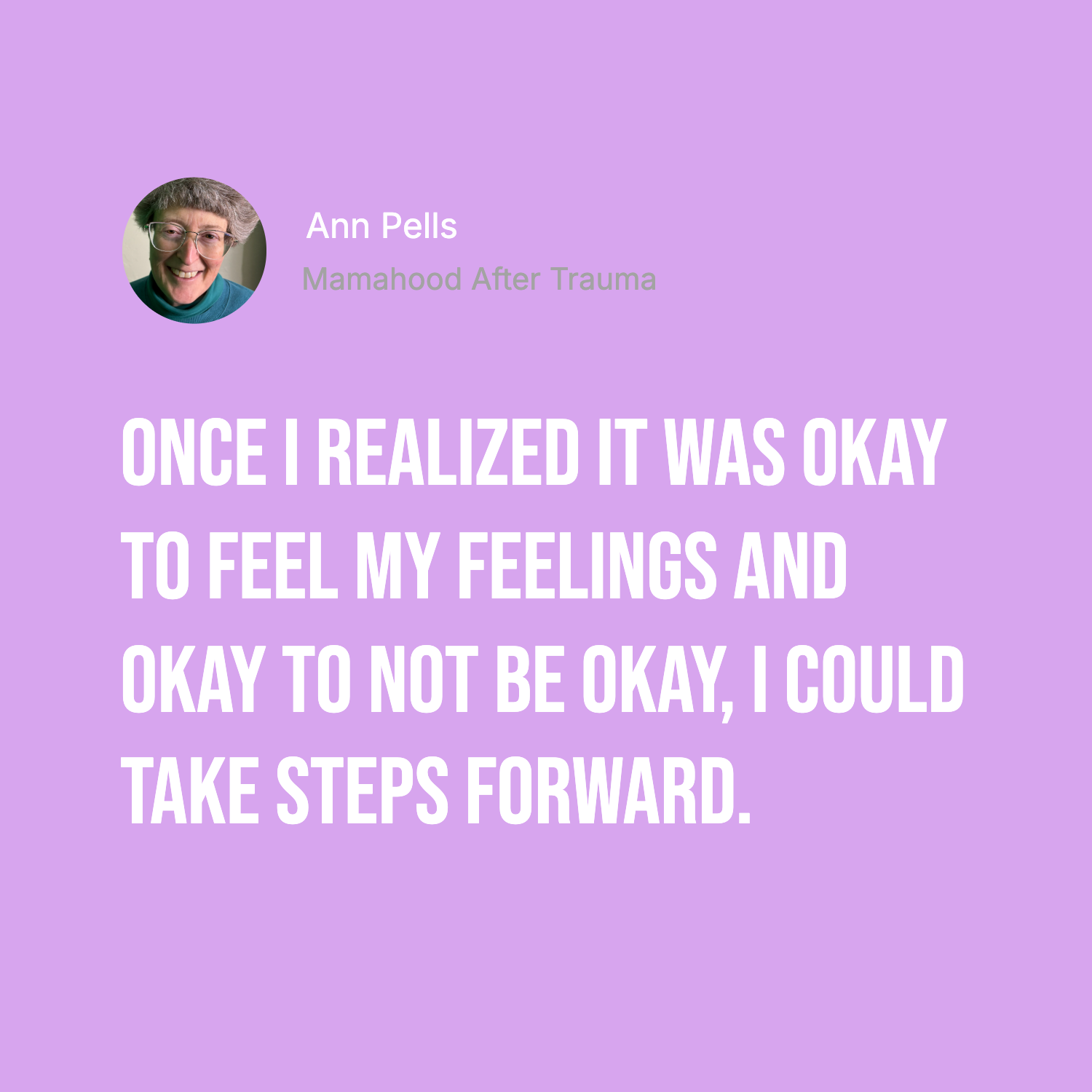
- Acknowledge your feelings: It’s okay to not be okay. Name your emotions without judgment.
- Practice self-kindness: Talk to yourself as you would to a dear friend.
- Allow time: Healing doesn’t happen overnight. Be patient with setbacks.
Expert Insight
Self-compassion is linked to lower levels of anxiety and depression and greater overall well-being.
Tip 5: Reframe Negative Thoughts and Use Affirmations
“Instead of saying, ‘I can’t do this,’ try asking, ‘How can I figure this out?’”
— Ann
Why It Matters
Negative thought patterns can trap us in despair. Anne found The Feeling Good Handbook transformative in learning to challenge and reframe these thoughts.
Actionable Advice
- Track your thoughts: Write down negative beliefs and the situations that trigger them.
- Ask alternative questions: “Is there another way to see this?” or “What evidence do I have for this belief?”
- Use affirmations: Replace “I can’t” with “I am learning to…” or “I have overcome before, I can again.”
Expert Insight
Cognitive Behavioral Therapy (CBT) techniques, like those in The Feeling Good Handbook, are evidence-based tools for shifting thought patterns and improving mood.
Tip 6: Stay Flexible and Let Go of Control
“We don’t have control over everything—control is an illusion.”
— Ann
Why It Matters
Trying to control the uncontrollable leads to frustration and burnout. Flexibility allows you to adapt and find new paths forward.
Actionable Advice
- Identify what you can and can’t control: Focus energy on your responses, not external events.
- Practice acceptance: Let go of the need for certainty or perfection.
- Stay open to change: Life’s detours often lead to unexpected growth.
Expert Insight
Acceptance and Commitment Therapy (ACT) emphasizes embracing uncertainty and committing to values-driven action.
Tip 7: Seek Out New Solutions—Especially Financial Ones
“We often pay the highest price for what we don’t know we don’t know.”
— Ann
Why It Matters
Financial stress is a common aftermath of trauma. Anne’s family moved 15 times in 30 years and faced repeated job loss, but discovering new financial strategies changed their trajectory.
Actionable Advice
- Research financial resources: Look for programs, grants, or tools you may not know about (e.g., refinancing, debt management, community aid).
- Ask for help: Consult with financial advisors or organizations specializing in crisis support.
- Stay open to change: Anne’s family cut their house payment in half by being willing to try something new.
Expert Insight
Financial literacy and resourcefulness are critical for long-term stability after trauma. Don’t hesitate to seek expert advice.
Tip 8: Find Meaning Through Helping Others
“How can I help someone else with what’s happened now?”
— Ann
Why It Matters
Turning pain into purpose is a powerful way to heal. Anne found hope and strength by supporting others, even in small ways.
Actionable Advice
- Look for opportunities to give back: Volunteer, share your story, or offer support to someone facing similar challenges.
- Practice gratitude: Notice and appreciate acts of kindness, both given and received.
- Document your journey: Keep a list of challenges you’ve overcome to remind yourself—and inspire others.
Expert Insight
Altruism and gratitude are linked to greater resilience and life satisfaction.
Key Takeaways and Next Steps
Ann’s journey is a roadmap for any mother navigating trauma:
- Be open to new ways of healing.
- Lean on your community and don’t be afraid to ask for help.
- Take stock of your resources and celebrate every step forward.
- Practice self-compassion and challenge negative thoughts.
- Let go of the illusion of control and stay flexible.
- Seek out new solutions, especially for financial challenges.
- **Find meaning by helping others
Connect with Ann here
About Ann Pells

Empowering families to achieve financial freedom through simple, proven strategies.
I help people pay off their homes in just 5 to 7 years—without cutting expenses or increasing income. In just two phone calls, you’ll discover how to grow wealth passively and build a life of hope, freedom, and legacy. I also show clients exactly how to acquire done-for-you, professionally managed businesses that generate $10K per month with just one hour a week—and how to secure the funding for it within 30 days.
Want to be a guest on Mamahood After Trauma? Send Emily Cleghorn a message on PodMatch, here