Trauma, Healing, and the Journey of Mamahood: What we've Learned Together
In this special episode of the "Motherhood After Trauma" podcast, host Emily reflects on the journey to 200 episodes, sharing transformative lessons learned about healing, motherhood, and trauma recovery.
She emphasizes that healing is non-linear, self-care is essential, and breathing can ground us in difficult moments. Emily reminds listeners that trauma may touch every aspect of life but does not define us, and that reconnection with oneself is vital in motherhood.
Above all, she reassures mothers that they are not alone, inspiring them to continue their healing journeys with hope and community support.
Table of Contents
Introduction and Resource Reminder (00:00:00)
Emily welcomes listeners, introduces the podcast, and reminds them to download the free "Unlocking Peace" guide.
Celebrating 200 Episodes & Purpose (00:00:53)
Emily reflects on reaching nearly 200 episodes and sets up the episode’s focus on lessons learned.
Lesson 1: Healing Isn’t Linear (00:02:31)
Healing is a layered, non-linear process; self-care is necessary, not selfish.
Lesson 2: The Power of Breathing (00:04:50)
Breathing is a foundational tool for managing stress, especially after trauma.
Lesson 3: Trauma’s Reach, Not Its Definition (00:04:50)
Trauma affects every aspect of life but does not have to define you; healing is possible.
Lesson 4: Reconnection in Motherhood (00:07:18)
Motherhood after trauma is about reconnecting with oneself, not just parenting.
Lesson 5: You Are Not Alone (00:07:18)
Trauma isolates, but community exists; listeners are reminded they belong and are not alone.
Gratitude and Reflection Invitation (00:09:34)
Emily expresses gratitude, invites listener reflection, and encourages feedback via a survey.
Closing Call to Action (00:11:10)
Listeners are reminded to download the guide and start their healing journey.
Final Reassurance and Farewell (00:11:24)
A final message of support and reassurance that no one is alone; episode closes.
5 Profound Lessons from 200 Episodes of "Mamahood After Trauma": A Deep Dive into Healing, Motherhood, and Community
As the "Motherhood After Trauma" podcast approaches its 200th episode, host Emily takes a heartfelt pause to reflect on the journey so far. This milestone isn’t just a celebration of longevity—it’s a testament to the resilience, vulnerability, and growth of a community of mothers healing from trauma. In this special episode, Emily distills the most transformative lessons learned from two hundred conversations, stories, and shared moments. These insights are not only relevant for mothers navigating trauma, but for anyone seeking to reclaim peace, connection, and self-compassion in the aftermath of hardship.
Below, we break down each of Emily’s five core lessons, offering actionable advice, nuanced insights, and expert recommendations to guide you on your own healing journey.
1. Healing Isn’t Linear—And Why Putting Yourself First Is Essential
Key Insight:
Healing is not a straight line. It’s a winding, unpredictable journey with peaks of progress and valleys of survival. The myth of linear recovery can lead to frustration and self-judgment, especially for mothers who are already stretched thin.
Actionable Advice:
- Honor Your Seasons:
Recognize that there will be times of momentum and times when simply getting through the day is an achievement. Both are valid.
Tip: Keep a journal to track your emotional seasons. Reflect on what helps you during tough times and what supports your growth during easier periods. - Redefine Self-Care:
Putting yourself first is not selfish—it’s foundational. Sustainable motherhood requires tending to your own needs so you can show up fully for your family.
Tip: Schedule non-negotiable self-care time, even if it’s just 10 minutes a day. Use this time for activities that genuinely restore you, not just what you think you “should” do. - Release Perfectionism:
Progress is not about perfection. Allow yourself to be a “good enough” mother and a “good enough” healer.
Tip: Practice self-compassion by speaking to yourself as you would to a dear friend.
Expert Insight:
Research in trauma recovery emphasizes the importance of self-compassion and flexibility. Dr. Kristin Neff, a leading self-compassion researcher, notes that self-kindness and acceptance are crucial for resilience and long-term healing.
2. The Power of Breath: Your Anchor in Stressful Moments
Key Insight:
When stress peaks, the most impactful thing you can do is breathe. While it sounds simple, trauma can make even basic breathing feel unsafe or inaccessible.
Actionable Advice:
- Start Small:
If deep breathing feels overwhelming, begin with gentle, shallow breaths. Gradually increase depth as your body allows.
Tip: Try “box breathing”: Inhale for 4 counts, hold for 4, exhale for 4, hold for 4. Repeat as needed. - Ground Yourself:
Use breath as a tool to anchor yourself in the present moment. This can help interrupt spirals of anxiety or dissociation.
Tip: Pair breathing with grounding techniques, such as feeling your feet on the floor or naming five things you can see. - Practice Regularly:
Make breathwork a daily ritual, not just a crisis tool. Over time, this builds nervous system resilience.
Tip: Set reminders throughout the day to pause and take three conscious breaths.
Expert Insight:
Somatic therapists highlight that breath is a direct line to the nervous system. Regular breathwork can help rewire trauma responses and foster a sense of safety in the body.
3. Trauma Touches Everything—But It Doesn’t Have to Define You
Key Insight:Trauma seeps into every aspect of life—thoughts, relationships, parenting, and self-perception. Yet, it does not have to be your defining story.
Actionable Advice:
- Acknowledge the Impact:
Denying trauma’s reach can lead to shame and isolation. Instead, recognize its influence with honesty and compassion.
Tip: List areas of your life where trauma shows up. This awareness is the first step to change. - Reclaim Your Narrative:
You are more than what happened to you. Actively choose new stories about who you are and what you’re capable of.
Tip: Write a letter to your younger self, affirming your growth and resilience. - Seek Support:
Healing is hard work, especially when done alone. Reach out to therapists, support groups, or trusted friends who understand trauma’s complexity.
Tip: Consider trauma-informed therapy modalities such as EMDR, somatic experiencing, or group therapy.
Expert Insight:
Dr. Bessel van der Kolk, author of "The Body Keeps the Score," emphasizes that while trauma shapes us, healing is possible through connection, embodiment, and narrative transformation.
4. Motherhood After Trauma: The Journey of Reconnection
Key Insight:
Healing in motherhood isn’t just about parenting differently—it’s about reconnecting with yourself. The peace you cultivate within becomes the legacy you pass to your children.
Actionable Advice:
- Prioritize Self-Reconnection:
Healing the woman inside the mother is foundational. When you are grounded, your children benefit from your calm presence.
Tip: Engage in activities that help you rediscover your identity outside of motherhood—journaling, creative pursuits, or solo walks. - Model Emotional Regulation:
Children learn emotional resilience by watching you navigate your own feelings.
Tip: Narrate your process aloud: “I’m feeling overwhelmed, so I’m going to take a few deep breaths.” - Create Rituals of Connection:
Build small, meaningful rituals that foster connection with yourself and your children.
Tip: Start a daily gratitude practice with your kids, or set aside a few minutes each night for self-reflection.
Expert Insight:
Attachment research shows that a parent’s self-regulation and self-awareness are key predictors of a child’s emotional security. Healing yourself is a gift to your family.
5. The Biggest Lie Trauma Tells: You Are Not Alone
Key Insight:
Trauma thrives in isolation, convincing you that no one understands or cares. The truth is, you are not alone—there is a community walking this path with you.
Actionable Advice:
- Challenge Isolation:
Notice when trauma brain tells you to withdraw. Gently push back by reaching out, even in small ways.
Tip: Send a text to a friend, join an online support group, or comment on a podcast episode. - Find Your Community:
Healing accelerates in the presence of others who “get it.”
Tip: Explore local or virtual groups for mothers healing from trauma. The "Motherhood After Trauma" podcast community is a great place to start. - Share Your Story:
Vulnerability is contagious. When you share your truth, you give others permission to do the same.
Tip: Write about your journey, speak it aloud, or participate in community storytelling events.
Expert Insight:
Connection is a core human need. Dr. Brené Brown’s research on shame and vulnerability underscores that healing happens in safe, supportive relationships.

Reflect, Celebrate, and Continue the Journey
As Emily so beautifully reminds us, every step on the healing path is worth celebrating. Whether you’re listening while folding laundry or crying in your car, you are further along than you think. Take a moment to reflect: What has your own healing journey taught you so far? Write it down, speak it aloud, and honor your progress.
Practical Next Steps
- Download the Unlocking Peace Guide:
Emily’s free resource is packed with practical tools to help you create calm and manage triggers. Click here to get your copy today! - Share Your Feedback:
If the podcast has impacted you, fill out the listener feedback survey. Your voice matters and helps shape future episodes. - Stay Connected:
Remember, you’re not alone. Join the "Motherhood After Trauma" community and continue walking this journey together.
Final Thoughts
Healing after trauma, especially in the context of motherhood, is a courageous, ongoing process. These 200 episodes are a testament to the power of showing up, even when it feels impossible. As you move forward, carry these lessons with you: honor your journey, breathe through the hard moments, refuse to be defined by your pain, reconnect with yourself, and reach out for community. You are mending the past so you—and your children—can live in peace.
You are not alone. We’re in this together.
If this post resonated with you, don’t forget to subscribe to the "Motherhood After Trauma" podcast and download your Unlocking Peace Guide. Your healing matters, and your story is worth sharing.
About Emily Cleghorn
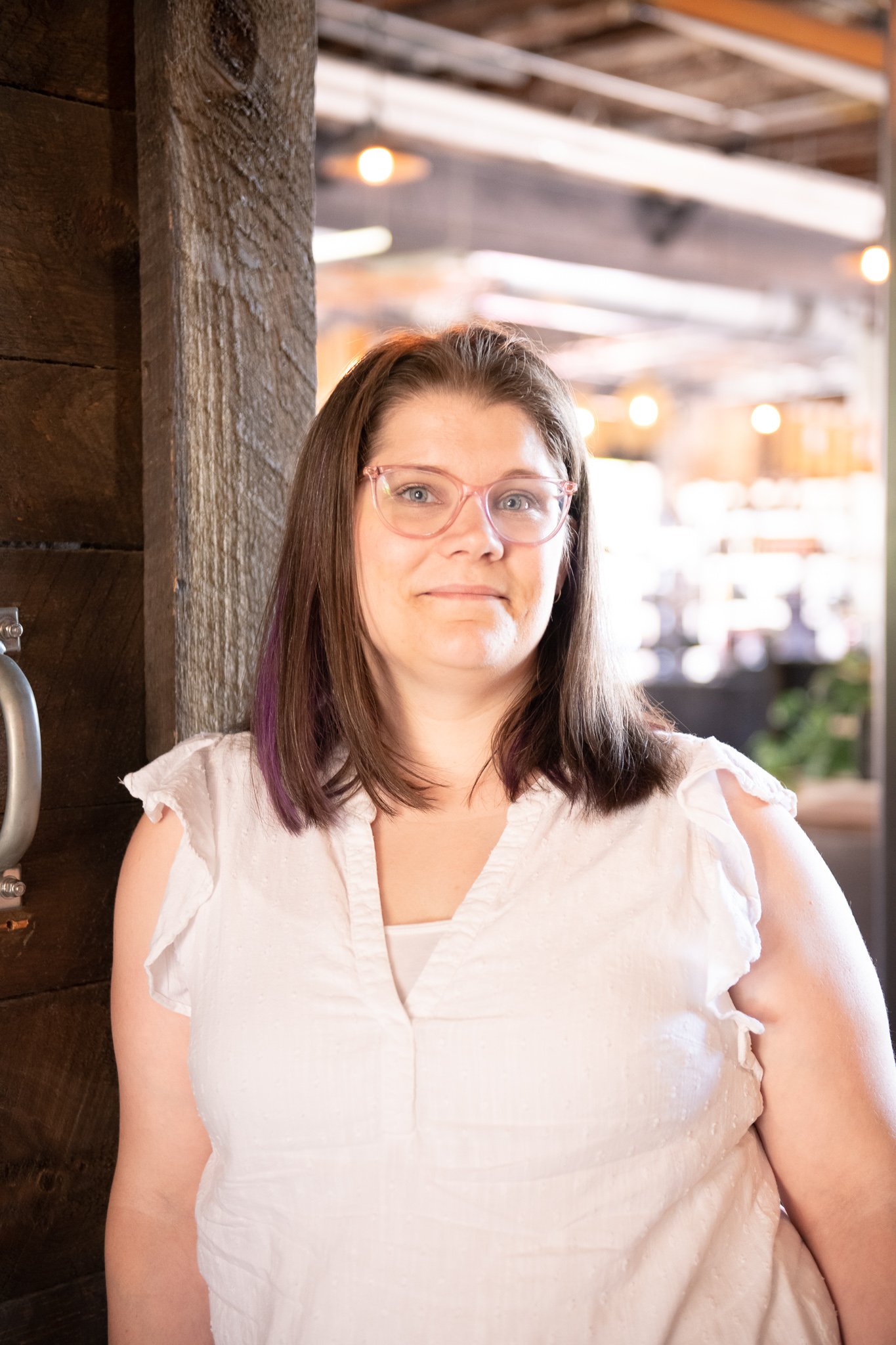
Emily Cleghorn is the founder and CEO of Mamahood After Trauma and host of the Mamahood After Trauma podcast — a top 10% globally ranked show for trauma-surviving mamas. A trauma survivor herself, Emily turned her own healing journey into a mission: making peace and healing accessible for every mama, no matter her financial situation.
She holds a BA in Sociology, dual certification through the Health Coach Institute as a Health and Life Coach, and is a Trauma Informed Coach certified by the Centre for Healing. As the author of Rising from the Ashes and Breaking Free, Emily helps mothers untangle the impact of their past so they can raise their children in peace, not pain.
Her work has been recognized with the Brainz CREA Award (2023) for excellence in leadership and entrepreneurship, and she’s spoken on global stages, sharing her message of hope, healing, and generational change.
Want to be a guest on Mamahood After Trauma? Send Emily Cleghorn a message on PodMatch, here