How Can Hold My Hand Mama Help Mothers Heal from Trauma?
In this inspiring episode of "Motherhood After Trauma," host Emily interviews Gabrielle Martin, author of Hold My Hand Mama.
Gabrielle shares the heartfelt story behind her book, inspired by a tender moment with her daughter, and discusses how it resonates deeply with mothers and daughters alike.
Together, they explore themes of healing, connection, and the emotional milestones of motherhood. Emily reflects on her own journey as a trauma survivor, and Gabrielle offers wisdom on self-compassion and grace.
The episode concludes with a special book giveaway, encouraging listeners to embrace healing and community.
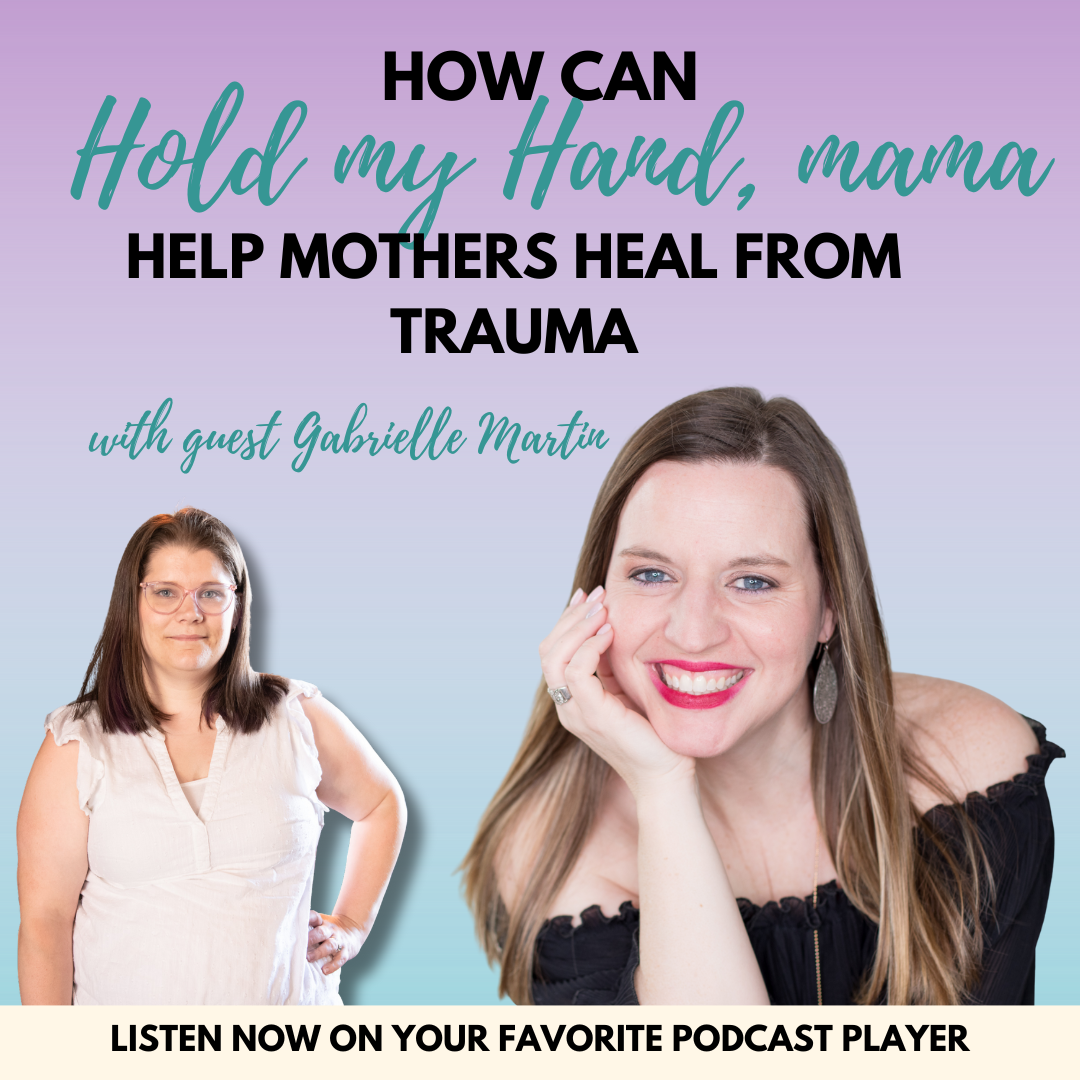
Table of Contents
Introduction and Resource Reminder (00:00:00) Emily welcomes listeners, introduces the podcast, and reminds them about the free "Unlocking Peace" guide.
Guest Introduction: Gabrielle Martin (00:00:54) Emily introduces Gabrielle Martin, author of "Hold My Hand Mama," and invites her to share her story.
Origin of the Book (00:01:30) Gabrielle shares the inspiration behind her book, sparked by a touching moment with her daughter Coco.
Writing and Publishing Journey (00:02:35) Gabrielle describes how the book came together, its resonance with others, and her decision to self-publish.
Emily’s Personal Reaction (00:03:23) Emily discusses her emotional response to the book as both a mother and a trauma survivor.
Reader Feedback and Emotional Impact (00:05:05) Gabrielle shares feedback from readers, highlighting the book’s emotional effect on mothers and daughters.
Healing Through Connection (00:07:21) Gabrielle reflects on the book’s unintended role in healing and the importance of connection in the healing process.
Book Giveaway Announcement (00:08:26) Emily announces a giveaway of Gabrielle’s book and explains how listeners can enter.
Advice for Mothers: Living in Grace (00:10:29) Gabrielle offers advice to mothers about self-compassion, rest, and giving themselves grace.
Closing Remarks and Farewell (00:12:37) Emily and Gabrielle thank each other, encourage listeners to enter the giveaway, and share final thoughts.
Podcast Outro and Encouragement (00:13:04) Emily and the outro voice remind listeners they’re not alone and encourage them to continue their healing journey.
Healing Through Connection: Lessons from "Hold My Hand Mama" on Mamahood After Trauma
Motherhood is a journey marked by profound love, deep vulnerability, and, for many, the ongoing work of healing from past wounds. In a recent episode of the "Mamahood After Trauma" podcast, host Emily sat down with Gabrielle Martin, author of the touching book Hold My Hand Mama. Their conversation delved into the emotional landscape of motherhood, the power of connection, and the importance of grace on the healing journey.
This blog post unpacks the main themes and actionable insights from their discussion, offering guidance for mothers—especially those navigating the complexities of trauma recovery. Whether you’re a mother, a daughter, or both, these lessons can help you foster deeper connections and nurture your own healing.
The Power of Shared Moments: The Story Behind
Gabrielle Martin’s book was born from a simple, intimate moment with her young daughter, Colette (“Coco”). When Coco asked her mother to hold her hand, Gabrielle was struck by the significance of that request—not just in the present, but as a thread running through all the milestones of a child’s life.Key Takeaways:
- Everyday Moments Matter: The most ordinary interactions—like holding hands—can become powerful touchstones for connection and memory.
- Writing as Healing: Gabrielle’s experience shows that creative expression can be a form of processing and healing, both for the writer and the reader.
- Universal Resonance: The book’s themes transcend individual experience, touching mothers and daughters across generations and backgrounds.
Actionable Advice:
- Notice the Small Moments: Take time to be present with your children, recognizing that these seemingly small gestures can have lasting emotional impact.
- Journaling for Healing: Consider writing down your own meaningful moments. This can help you process emotions and create a record of your journey.
Navigating Complex Emotions: Motherhood, Daughterhood, and Trauma
Emily’s reaction to Hold My Hand Mama was layered—she felt both the joy of sharing the book with her children and the pain of reflecting on her own unmet needs as a daughter. This duality is common for mothers who are also trauma survivors.
Key Insights:
- Books as Mirrors: Children’s books can evoke powerful emotions in adults, prompting reflection on their own childhoods and relationships.
- Healing Through Shared Experience: Reading together can open up conversations about feelings, memories, and healing, benefiting both mother and child.
- Permission to Feel: It’s normal for positive experiences to bring up grief or longing for what was missing in your own upbringing.
Actionable Advice:
- Allow Space for Emotions: When reading or engaging in meaningful activities with your children, notice and honor any emotions that arise. It’s okay to feel joy, sadness, or even grief.
- Open Dialogue: Use books and stories as a springboard for conversations with your children about feelings, family history, and resilience.
- Seek Support: If reading or parenting brings up difficult emotions, consider reaching out to a therapist or support group for trauma survivors.
The Book as a Tool for Healing and Connection
Gabrielle emphasizes that Hold My Hand Mama is as much a gift for mothers as it is for children. The book has sparked healing conversations and helped mothers process their own stories, especially around significant milestones like sending a child off to college.
Key Insights:
- Milestones Are Emotional: Transitions—like a child starting school or leaving home—can trigger deep emotions, especially for mothers with unresolved trauma.
- Books as Healing Tools: Sharing a story can create a safe space for both mother and child to explore feelings and strengthen their bond.
- Healing Is Relational: Connection with others—whether through reading, conversation, or shared experience—is central to healing from trauma.
Actionable Advice:
- Create Rituals Around Milestones: Mark transitions with intentional rituals, such as reading a special book, writing letters, or sharing stories.
- Use Books to Bridge Gaps: If you struggle to talk about emotions, let a book like Hold My Hand Mama open the door to those conversations.
- Acknowledge Your Own Journey: Remember that your healing is ongoing, and it’s okay to revisit old wounds as you support your children through their own milestones.
Living in Grace: Gabrielle’s Wisdom for Mothers on the Healing Path
One of the most powerful messages from Gabrielle is the importance of living in grace—especially for mothers juggling the demands of parenting, work, and healing.
What Does It Mean to Live in Grace?
- Self-Compassion: Recognize that you are doing your best, even on days when you feel depleted or overwhelmed.
- Permission to Pause: It’s okay to rest, to step back, and to take care of yourself without guilt.
- Gentle Self-Talk: Replace harsh inner criticism with words of encouragement and understanding.
Actionable Steps for Living in Grace
- Schedule Rest: Build regular breaks and moments of self-care into your routine, even if they’re brief.
- Practice Mindful Breathing: When you feel overwhelmed, pause and take a few deep breaths to ground yourself.
- Affirm Your Efforts: Remind yourself daily that you are enough, and that healing is a journey, not a destination.
- Reach Out for Help: Don’t hesitate to ask for support from friends, family, or professionals when you need it.

Expert Advice: Healing Is a Shared Journey
Both Emily and Gabrielle highlight that healing from trauma is not a solitary path. Community, connection, and shared stories are essential.
Recommendations:
- Join Supportive Communities: Look for online or local groups for mothers, trauma survivors, or both.
- Share Your Story: Whether through writing, conversation, or creative expression, sharing your experiences can foster healing for yourself and others.
- Use Resources: Take advantage of free guides, books, and podcasts that offer practical tools for healing (like Emily’s "Unlocking Peace Guide" mentioned in the episode).
Conclusion: Mending the Past, Mothering in Peace
The conversation between Emily and Gabrielle is a testament to the power of vulnerability, connection, and grace in the journey of motherhood after trauma. Hold My Hand Mama is more than a children’s book—it’s an invitation to heal, to connect, and to honor both the mother and the child within.
Key Takeaways for Your Healing Journey:
- Cherish and create meaningful moments with your children.
- Allow yourself to feel and process complex emotions.
- Use books and stories as tools for connection and healing.
- Practice self-compassion and give yourself permission to rest.
- Remember, you are not alone—healing is a shared journey.
If you’re looking for a gentle, powerful way to nurture your own healing and deepen your bond with your children, consider reading Hold My Hand Mama—and don’t forget to enter the giveaway mentioned in the episode!
You are worthy of healing, connection, and peace. Together, we can mend the past and mother in wholeness.
Resources
- Motherhood After Trauma Podcast
- Hold My Hand Mama by Gabrielle Martin
- Unlocking Peace Guide – Free Download
Share this post with a mama who needs encouragement, and let’s continue the conversation about healing, grace, and the power of connection.
About Gabrielle Martin

Meet Gabrielle Martin: A Girl Mom, Marketing Pro, and Author Who Turned a Simple Bedtime Moment into a Story That’s Touching Hearts Across Generations
Gabrielle Martin is a full-time working mom and creative. As a marketing and events professional with degrees in Integrated Marketing Communication and Communication, Gabe brings insight into both the creative process and the strategy behind sharing a story with the world. As a girl mom navigating competitive sports schedules, family life, and faith, she brings a warm, real-world perspective to conversations about parenting, purpose, and personal growth.
Want to be a guest on Mamahood After Trauma? Send Emily Cleghorn a message on PodMatch, here