The Unseen Impact of Your Healing Journey on Your Children
In this inspiring episode of Mamahood After Trauma, host Emily Cleghorn explores the powerful ripple effect of healing from trauma, emphasizing how personal growth positively influences children, families, and future generations.
Emily encourages listeners to embrace the gradual process of healing with self-compassion and courage. She also announces the upcoming 200th episode, inviting listeners to share their stories and celebrate the collective journey.
Share your feedback here- https://forms.gle/3yGuvXj8VE9BWxrB6
The episode highlights the importance of community and offers practical support through the free Unlocking Peace Guide, empowering mothers to continue making meaningful, lasting change for themselves and those they love.
Table of Contents
Welcome and Resource Introduction (00:00:00)
Emily welcomes listeners, introduces the podcast, and promotes the free Unlocking Peace Guide for managing triggers and creating calm.
The Ripple Effect of Healing (00:02:01)
Discussion on how personal healing impacts children, family, and future generations by modeling regulation, boundaries, and breaking cycles.
Announcement of 200th Episode Celebration (00:04:30)
Emily announces the upcoming 200th episode, invites listener participation, and encourages sharing stories and questions for the celebration.
Encouragement and Closing Remarks (00:06:13)
Emily and the narrator encourage listeners to continue healing, promote the Unlocking Peace Guide, and close with supportive messages.
Final Farewell (00:06:34)
Brief closing, reminding listeners they’re not alone and inviting them to return for future episodes.
The Ripple Effect of Healing: How Your Journey Transforms Generations
Motherhood After Trauma is more than a podcast—it's a movement of mothers courageously healing, growing, and rewriting the future for themselves and their families. In a recent episode, host Emily Cleghorn dives deep into the profound theme of the ripple effect of healing. This concept is not just about personal transformation; it’s about how every step you take on your healing journey radiates outward, shaping your children, your home, and even generations yet to come.
In this comprehensive post, we’ll break down the main insights from Emily’s episode, offering actionable advice and expert guidance for mothers navigating the path of healing after trauma. Whether you’re just starting or well along your journey, these tips will help you understand the true impact of your work—and empower you to keep going.
Understanding the Ripple Effect of Healing
Healing from trauma is often seen as a personal journey, but Emily Cleghorn reminds us that it’s so much more. Every act of self-care, every boundary set, and every moment of self-compassion sends ripples outward, impacting:
- Your children: They learn by watching you.
- Your family: Your healing shifts family dynamics.
- Your community: Your courage inspires others.
- Future generations: You break cycles and create new legacies.
Key Insight:
Your healing is never just for you. It’s a gift to everyone around you, and to those who come after you.
Modeling Calm: Teaching Emotional Regulation
One of the most powerful ways your healing impacts others is through the calm you cultivate. Children, especially, are highly attuned to their caregivers’ emotional states. When you learn to regulate your emotions, you teach your children to do the same.
How to Model Calm:
- Practice Mindful Breathing: When you feel triggered, pause and take slow, deep breaths. Narrate this process to your children: “I’m feeling upset, so I’m going to take a few deep breaths.”
- Name Your Emotions: Use language to identify your feelings. This normalizes emotional expression for your children.
- Create Calm Spaces: Designate a “calm corner” in your home where anyone can go to reset.
- Respond, Don’t React: When conflict arises, model pausing before responding. This teaches children that it’s okay to take time to process.
Expert Tip:
Children learn emotional regulation not from what you say, but from what you do. Your calm presence is the greatest teacher.
Practicing Self-Compassion: Setting Boundaries and Self-Love
Self-compassion is the foundation of healing. When you treat yourself with kindness, you model healthy boundaries and self-love for your children and family.
How to Practice Self-Compassion:
- Acknowledge Your Needs: Regularly check in with yourself. What do you need right now—rest, support, space?
- Set Clear Boundaries: Communicate your limits with love and firmness. “I need some quiet time right now, and I’ll be back in 10 minutes.”
- Forgive Yourself: Release guilt for not being “perfect.” Healing is messy and nonlinear.
- Celebrate Small Wins: Recognize and honor your progress, no matter how small.
Expert Tip:
Boundaries are not walls—they are bridges to healthier relationships. When you honor your needs, you teach your children to honor theirs.
Breaking Cycles: The Courage to Inspire Change
Healing from trauma often means breaking generational cycles. This takes immense courage, but the impact is profound.
How to Break Cycles:
- Identify Patterns: Reflect on behaviors or beliefs you inherited that no longer serve you or your family.
- Seek Support: Healing is hard work—don’t do it alone. Reach out to therapists, support groups, or trusted friends.
- Share Your Journey: Talk openly (in age-appropriate ways) with your children about your healing. This demystifies the process and reduces shame.
- Encourage Growth in Others: As you heal, invite your family to join you in new, healthier patterns.
Expert Tip:
Breaking cycles is an act of love. It’s not about blaming the past, but about building a better future.
Embracing Gradual Progress: The Power of Small Shifts
Healing is not an overnight process. Emily emphasizes that it’s gradual—and that’s not just okay, it’s necessary.
How to Embrace Gradual Progress:
- Set Realistic Expectations: Healing takes time. Celebrate progress, not perfection.
- Track Your Growth: Keep a journal of small shifts—moments when you responded differently, set a new boundary, or felt more at peace.
- Practice Patience: Remind yourself that every step forward, no matter how small, is meaningful.
- Stay Consistent: Small, daily practices add up to big change over time.
Expert Tip:
The most lasting change happens slowly. Trust the process and honor your pace.
Celebrating Milestones: The Importance of Community
Healing is amplified in community. Emily’s announcement of the upcoming 200th episode is a testament to the power of shared stories and collective celebration.
How to Celebrate and Connect:
- Share Your Story: Your journey can inspire others. Consider submitting your story to the podcast or sharing with a trusted group.
- Ask Questions: Engage with the community—your questions help others feel less alone.
- Invite Others: Bring another mama along on the journey. Healing is contagious.
- Mark Your Milestones: Celebrate anniversaries, breakthroughs, and even setbacks—they’re all part of the journey.
Expert Tip:
Community is a source of strength. When we heal together, our ripples become waves.
Action Steps: Building Your Own Ripple Effect
Ready to amplify your healing? Here’s how to start building your ripple effect today:
- Download the Unlocking Peace Guide: Get practical tools to manage triggers and create calm.
- Practice Daily Self-Compassion: Start with one kind thought or action toward yourself each day.
- Model Emotional Regulation: Let your children see you manage stress in healthy ways.
- Set One New Boundary: Choose one area where you need more space or support, and communicate it clearly.
- Connect with Community: Join a support group, online forum, or the Motherhood After Trauma community.
- Reflect on Your Impact: Notice how your healing is already changing your family and environment.
Resources: The Unlocking Peace Guide
Emily’s Unlocking Peace Guide is a free resource designed to help you:
- Begin creating calm in your daily life
- Reclaim your peace after triggers
- Build confidence and clarity as you heal
Download your free copy here and start your journey with practical, compassionate support.
Final Thoughts: Your Healing Matters
Every ripple counts. Your healing is a legacy—one that will touch your children, your family, and generations to come. As Emily says, “Mend the past so you can mama in peace.” Keep going, mama. You’re making waves that will change the world.
Join the celebration:
Don’t forget to share your story or questions for the 200th episode of Motherhood After Trauma. Let’s honor the journey together.
Much love, and remember: You’re not alone. We’re in this together, mending the past so mamas can mama in peace.
For more inspiration and support, subscribe to the Motherhood After Trauma podcast and download your Unlocking Peace Guide today.
About Emily Cleghorn
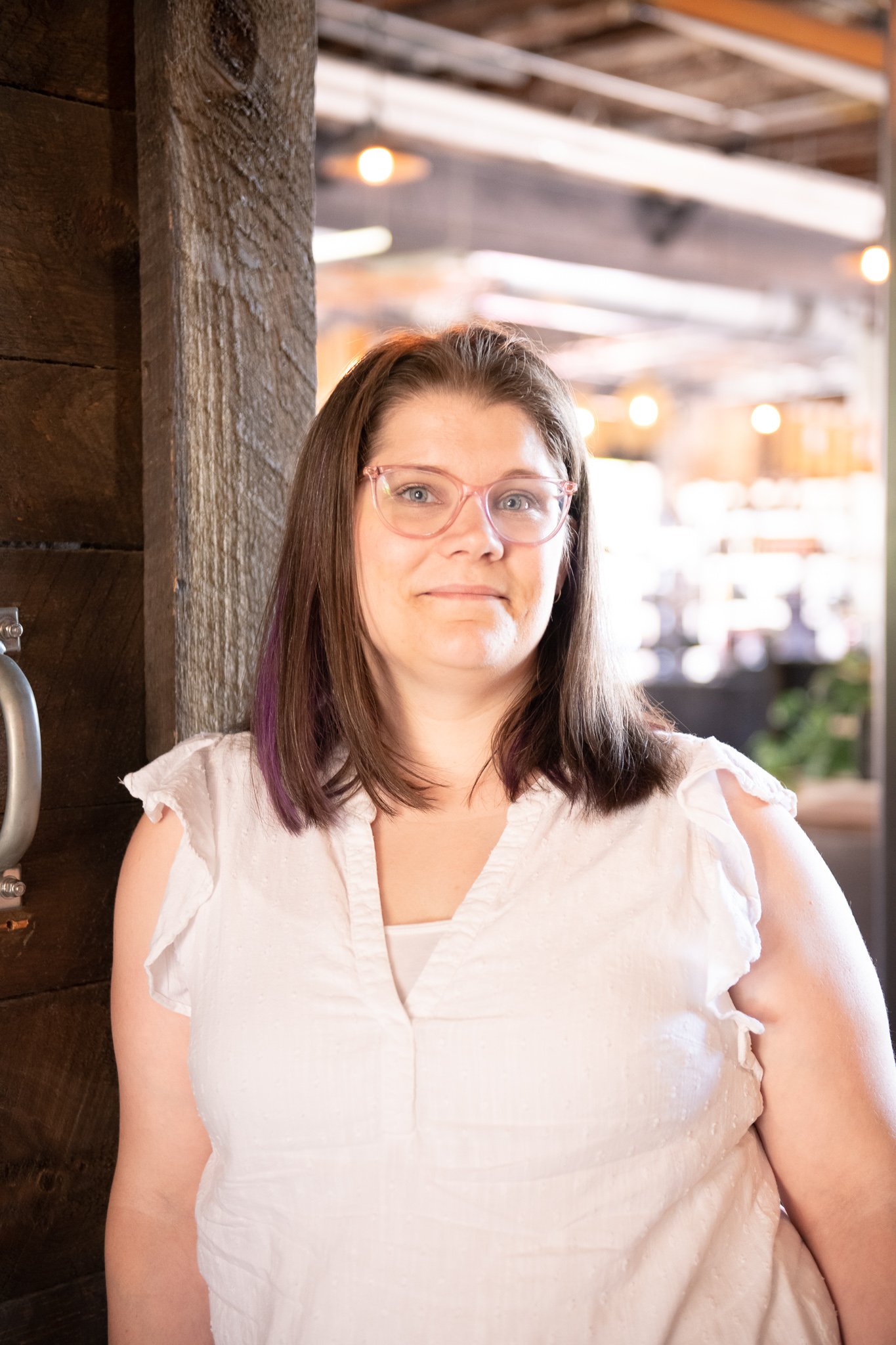
Emily Cleghorn is an award-winning Holistic Trigger Recovery Coach, bestselling author, podcaster, and sought-after speaker on a mission to help trauma-surviving mamas heal while parenting. Through her signature Mended Mama Method, Emily empowers moms to navigate triggers and tantrums with confidence, breaking free from reactive patterns and creating a peaceful, connected home.
Driven by her passion for creating positive generational change, Emily shares her powerful story of overcoming the grip of childhood trauma to inspire others that healing is possible — even in the chaos of motherhood. Her work has touched countless lives, giving mamas the tools and hope to reclaim their peace and raise emotionally healthy kids.
Want to be a guest on Mamahood After Trauma? Send Emily Cleghorn a message on PodMatch, here