How to Stop Forcing Your Child into a Mold and Start Embracing Their True Self
In this inspiring episode of Mamahood After Trauma, host Emily welcomes Moira Mills, an educator and advocate for homeschooling and human design.
Moira shares her journey from rural Alaska to embracing sidereal human design as a transformative parenting tool. She explains how understanding individual design—especially her son’s emotional needs—has deepened their connection and reduced stress.
The conversation highlights the power of honoring each child’s unique blueprint, encouraging parents to nurture both themselves and their children with compassion and self-awareness.
Listeners are invited to explore their own human design as a path to more peaceful, authentic parenting.
Table of Contents
Introduction and Resource Mention (00:00:00) Emily welcomes listeners, introduces the podcast, and promotes the free "unlocking peace guide."
Guest Introduction (00:00:51) Emily introduces Mariah Mills as the guest for the episode.
Mariah’s Background Story (00:01:09) Mariah shares her upbringing in rural Alaska, travels, and journey into education and homeschooling.
Supporting Each Other in Parenting (00:02:30) Mariah emphasizes the importance of community and supporting each other as parents.
Mariah’s Work and Discovery of Human Design (00:02:41) Mariah explains her work in homeschooling and how she discovered human design, especially sidereal human design.
Explaining Human Design and Astrology Types (00:04:10) Mariah describes the components of human design and the difference between tropical and sidereal astrology.
Why Sidereal Human Design (00:05:56) Mariah explains why she shifted to sidereal human design and its accuracy.
Using Human Design in Parenting (00:06:07) Mariah shares a personal story about using human design to better support her son’s decision-making process.
Honoring Individual Differences in Children (00:08:47) Discussion on the importance of understanding and honoring each child’s unique needs and design.
Blueprint for Parenting (00:10:22) Mariah describes human design as a practical blueprint for actionable parenting strategies.
Letting Go of “One Right Way” (00:10:56) Emily and Mariah discuss releasing the idea that there’s only one correct way to parent.
Tips for Listeners and Self-Care (00:11:22) Mariah offers tips, including understanding your own design and prioritizing self-care as a parent.
How to Connect with Mariah (00:12:31) Mariah shares her website and explains her free sidereal human design chart offering.
Encouragement for Parental Self-Care (00:13:44) Emily emphasizes the importance of self-care for parents to better care for their children.
Episode Wrap-Up and Final Resource Mention (00:14:38) Emily thanks Mariah, reminds listeners about the free guide, and closes the episode.
Embracing Individuality in Parenting: How Sidereal Human Design Can Transform Your Motherhood Journey
Parenting is a journey filled with both joy and challenge, especially for mothers healing from trauma. In a recent episode of the Motherhood After Trauma podcast, host Emily sat down with Mariah Mills—an educator, homeschooling advocate, and expert in human design—to explore how understanding our own and our children’s unique blueprints can revolutionize the way we parent. This episode dives deep into the concept of human design, with a special focus on sidereal human design, and offers actionable strategies for honoring individuality in both ourselves and our children.
Below, we break down the main themes and expert tips from the episode, providing you with a comprehensive guide to integrating these insights into your own parenting journey.
What Is Human Design? A Holistic Blueprint for Understanding Ourselves
Human design is a synthesis of several ancient and modern systems, including:
- Astrology (both tropical and sidereal)
- I Ching (ancient Chinese wisdom)
- Kabbalah (Jewish mysticism)
- Chakra System (energy centers)
- Quantum Physics (modern science)
Most commonly, human design charts are based on tropical astrology, which aligns with the Western calendar and seasons. Mariah, however, specializes in sidereal human design, which uses sidereal (Vedic) astrology—aligning with the actual constellations visible in the night sky today. This distinction, she explains, can offer a more accurate and resonant understanding of our soul’s purpose and energetic makeup.
Key Differences: Tropical vs. Sidereal Astrology
- Tropical Astrology: Based on the seasons; does not account for the Earth’s gradual shift (precession of the equinoxes).
- Sidereal Astrology: Aligned with the current positions of the constellations; widely used in Eastern traditions like Vedic astrology.
Why does this matter?
Sidereal charts may provide a more authentic reflection of who you are at a soul level, rather than just your physical or personality traits.
The Power of Human Design in Parenting
Mariah’s journey into human design began as she sought to better understand her son’s needs and her own parenting style. She discovered that human design offers a practical, actionable blueprint for honoring each family member’s individuality.
Actionable Insights from Human Design
- Recognize Unique Decision-Making Styles:
For example, Mariah’s son has “emotional authority,” meaning he experiences emotional highs and lows and needs time to process decisions. Mariah, on the other hand, makes decisions quickly. Understanding this difference allowed her to give her son the space he needed, reducing stress and preventing regretful choices. - Honor Emotional Waves:
Children (and adults) with emotional authority benefit from “sleeping on it” before making important decisions. This prevents hasty choices made in emotional highs or lows. - Release the “One Right Way” Mindset:
Human design helps parents let go of the belief that their way is the only way. Instead, it encourages meeting children where they are, based on their unique wiring.
In-Depth Tips for Integrating Human Design into Your Parenting
1. Start with Self-Understanding: Put On Your Own Oxygen Mask First
Why it matters:
You can’t pour from an empty cup. Understanding your own design is the foundation for supporting your children.
How to do it:
- Get Your Sidereal Human Design Chart: Mariah offers free chart breakdowns to help you see your design from a sidereal perspective.
- Reflect on Your Authority and Energy Type: Are you a quick decision-maker, or do you need time? Do you thrive on routine, or do you need flexibility?
- Practice Self-Compassion: Recognize that your needs are valid, and honoring them models healthy boundaries for your children.
Expert Insight:
“When we take care of ourselves, we can better support our children.” — Mariah Mills
2. Honor Your Child’s Unique Blueprint
Why it matters:
Children are often wired differently from their parents. Recognizing and respecting these differences reduces conflict and builds trust.
How to do it:
- Learn Your Child’s Human Design: Identify their authority (how they make decisions), energy type, and other key aspects.
- Adapt Your Approach: If your child needs time to process, don’t rush them. If they thrive on spontaneity, allow for flexibility.
- Validate Their Experience: Let your child know that their way of being is not “wrong”—it’s just different.
Real-Life Example:
Mariah’s son needed time to decide which stuffed animals to keep during a big move. By honoring his emotional process, Mariah avoided unnecessary stress and regret.
3. Embrace Flexibility and Release Perfectionism
Why it matters:
There is no single “right” way to parent. Human design encourages flexibility and curiosity over rigid expectations.
How to do it:
- Stay Open to Learning: Your child’s needs may change as they grow. Be willing to adjust your approach.
- Let Go of Comparison: What works for another family may not work for yours—and that’s okay.
- Celebrate Small Wins: Every time you honor your child’s individuality, you strengthen your relationship.
Expert Insight:
“It’s freeing to realize there isn’t just one right way.” — Mariah Mills
4. Use Human Design as a Communication Tool
Why it matters:
Human design provides a shared language for understanding differences, reducing misunderstandings and power struggles.
How to do it:
- Discuss Design Differences Openly: Share what you’ve learned about your own and your child’s design in age-appropriate ways.
- Problem-Solve Together: Use your understanding of each other’s needs to find solutions that work for everyone.
- Model Respect for Diversity: Show your child that differences are strengths, not weaknesses.
Practical Steps to Get Started
- Download Your Sidereal Human Design Chart: Take advantage of Moira’s free chart breakdown offer (see show notes).
- Reflect on Recent Parenting Challenges: Consider how understanding your or your child’s design might have changed the outcome.
- Start Small: Pick one insight (e.g., giving your child more time to decide) and implement it this week.
- Practice Self-Care: Remember, honoring your own needs is the first step to supporting your family.
Final Thoughts: Parenting with Compassion and Curiosity
The journey of motherhood—especially after trauma—requires compassion, flexibility, and a willingness to see both ourselves and our children as unique individuals. Human design, particularly through the lens of sidereal astrology, offers a powerful framework for understanding and honoring these differences.
By putting on your own oxygen mask first, embracing your child’s unique blueprint, and letting go of the “one right way” mindset, you can create a more peaceful, connected, and resilient family dynamic.
Ready to dive deeper?
Download your Unlocking Peace Guide and connect with Moira for a free sidereal human design chart breakdown. Remember, you’re not alone on this journey—together, we can mend the past and parent with peace.
Resources
- Unlocking Peace Guide – Free Download
- Connect with Mariah Mills for a Free Sidereal Human Design Chart Breakdown
- Mamahood After Trauma Podcast – More Episodes
You are worthy of peace, mama. Embrace your unique design—and your child’s—and watch your family thrive.
About Moira Mills
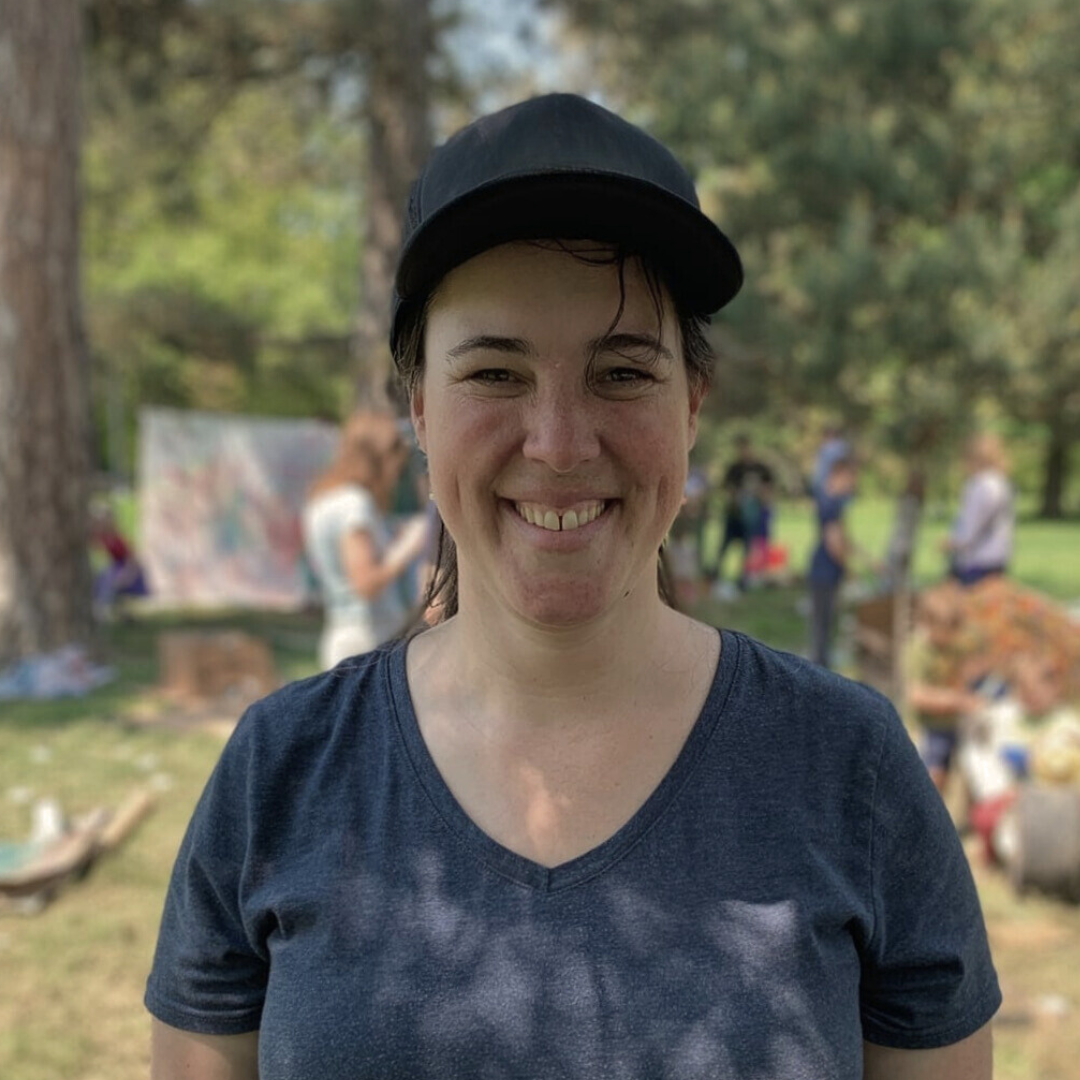
Moira Mills is a lifelong unschooler, certified Rolfer®, and branding consultant who helps families and entrepreneurs break free from inherited systems and live in alignment with who they truly are. Raised on a homestead in rural Alaska with no formal schooling, Moira now roadschools full-time with her son while helping others unlearn societal conditioning and rebuild life on their own terms. Through Sidereal Human Design and lived experience, she guides people to reconnect with their purpose, redefine success, and parent with confidence, even without a rulebook. Her work blends grounded wisdom with radical permission, showing that we don’t have to sacrifice ourselves to be good mothers, partners, or business owners. Moira believes we all chose to be here for a reason, and when we learn to trust our design, life starts to make a whole lot more sense.
Want to be a guest on Mamahood After Trauma? Send Emily Cleghorn a message on PodMatch, here