Four Essential Steps for Mothers to Shift from Survival Mode to a Thriving Life After Trauma
In this inspiring episode of Mamahood After Trauma, host Emily guides mothers on the journey from survival mode to thriving.
She shares four actionable steps—starting small, redefining identity, celebrating wins, and visualizing a joyful life—while emphasizing self-care as an essential, learnable skill for trauma survivors.
Emily’s compassionate approach encourages listeners to embrace growth, reclaim peace, and build nourishing routines.
The episode concludes with an invitation to download the free "Unlocking Peace Guide," reinforcing that no mother heals alone and empowering listeners to mend the past and thrive in motherhood.
Table of Contents
Welcome and Resource Introduction (00:00:00)
Emily welcomes listeners, introduces the podcast, and promotes the free "Unlocking Peace Guide" resource.
Episode Greeting and Topic Introduction (00:00:51)
Emily greets listeners and introduces the episode’s focus: life after survival mode for mothers.
Shifting from Surviving to Thriving: Four Steps (00:01:00)
Emily explains the transition from survival to thriving, outlining four actionable steps for growth and healing.
Self-Care as a Learned Skill (00:04:48)
Emily discusses self-care as a skill, not an innate trait, and emphasizes its importance for trauma-surviving mothers.
Impact of Healing and Encouragement (00:06:52)
Emily highlights how personal healing affects family and community, encourages listeners, and reiterates the value of the "Unlocking Peace Guide."
Closing and Final Resource Reminder (00:08:13)
A closing voice encourages downloading the guide, reassures listeners they’re not alone, and ends the episode.
Welcome to a new chapter of your motherhood journey.
If you’re a mother who has survived trauma, you know that “survival mode” is more than a phrase—it’s a way of life that shapes your every decision, emotion, and relationship. But what happens when you’re ready to move beyond just surviving? How do you begin to truly thrive, to build a life that nourishes you and your family?
In this episode of Mamahood After Trauma, host Emily shares a powerful roadmap for mothers ready to transition from survival to thriving. Drawing from her own experience and the collective wisdom of trauma survivors, Emily offers four actionable steps—plus a crucial bonus insight—to help you reclaim your peace, identity, and joy.
Below, we break down each step in detail, offering expert advice, practical strategies, and deep insights to guide you on your healing journey.
1. Start Small: The Power of Manageable Changes
Key Insight: “Small steps matter. Daily rituals, boundaries, or new routines may seem tiny, but they compound over time.”
Why Small Steps Work
After trauma, your nervous system is often on high alert. Big changes can feel overwhelming or even unsafe. That’s why Emily emphasizes the importance of starting with small, manageable changes. These micro-shifts are not only more sustainable, but they also build confidence and momentum.
Actionable Advice
- Choose One Tiny Ritual:
Pick a daily action that feels doable—like making your bed, drinking a glass of water, or stepping outside for five minutes. Consistency is more important than intensity. - Set Gentle Boundaries:
Practice saying “no” to one thing that drains you, or “yes” to one thing that nourishes you. Boundaries are a form of self-respect and self-protection. - Track Your Progress:
Use a journal or an app to note your small wins. Seeing your progress, no matter how incremental, reinforces your ability to change.
Expert Tip
“Small changes ripple outward. Your calm, your presence, your clarity—all of these affect your family and your community.”
Remember, your healing benefits everyone around you.
2. Redefine Your Identity: Beyond Survival
Key Insight:
“You’re not just a survivor. You are a creator, a mama, a cycle breaker. You, my sweet mama friend, are a badass, and you deserve to thrive.”
Why Identity Matters
Trauma can lock you into a narrative of victimhood or mere survival. To thrive, you must rewrite your story and claim new, empowering identities.
Actionable Advice
- Affirm Your New Roles:
Write down the identities you want to embody: creator, nurturer, leader, cycle breaker. Repeat these affirmations daily. - Reflect on Your Strengths:
List the qualities that helped you survive—resilience, resourcefulness, courage. Now, imagine how these can help you thrive. - Visualize Your Future Self:
Picture yourself living as the woman and mother you want to be. What does she do differently? How does she feel?
Expert Tip
“Redefining your identity is not about denying your past, but about expanding your possibilities.”
Give yourself permission to grow beyond your trauma.
3. Celebrate Every Win: No Matter How Small
Key Insight:
“Notice the new choices you’re making that reflect growth and healing—even if it feels silly at first. Celebrate the wins, as small and minute as they may be.”
Why Celebration Heals
Trauma often teaches us to minimize our achievements or ignore our needs. Celebrating your progress, however small, rewires your brain for positivity and self-worth.
Actionable Advice
- Create a Win Jar:
Write down every win—big or small—on a slip of paper and place it in a jar. Review them when you need encouragement. - Share Your Wins:
Tell a trusted friend, therapist, or support group about your progress. Let others celebrate with you. - Reward Yourself:
Treat yourself to something nurturing—a cup of tea, a walk, a favorite song—each time you notice growth.
Expert Tip
“Celebration is not self-indulgence; it’s self-recognition. It’s how you teach yourself that you are worthy of joy.”
4. Visualize Your Joyful Life: Design Your Next Chapter
Key Insight:
“What feels joyful? What routines, relationships, or habits reflect that life you want to build?”
Why Visualization Works
Your brain can’t always distinguish between real and vividly imagined experiences. Visualization helps you set intentions, clarify your desires, and prime your mind for positive change.
Actionable Advice
- Create a Vision Board:
Use images, words, and symbols that represent the life you want to build. Place it somewhere you’ll see daily. - Journal Your Ideal Day:
Write a detailed description of a day in your thriving life. Focus on feelings, relationships, and routines. - Set Micro-Goals:
Break down your vision into actionable steps. What’s one thing you can do this week to move closer to your ideal life?
Expert Tip
“Visualization is not wishful thinking—it’s a blueprint for action. Let your dreams guide your daily choices.”
Bonus: Self-Care Is a Skill—Not an Innate Trait
Key Insight:
“Self-care is a skill set and a choice, especially for trauma-surviving mamas. Many of us don’t have these skills because we’ve been living so deeply in survival mode.”
Why Self-Care Feels Hard
When you’re in survival mode, self-care can feel foreign or even selfish. But as Emily reminds us, self-care is essential for thriving—and it’s a skill you can learn.
Actionable Advice
- Start Simple:
Self-care doesn’t have to be elaborate. Move your body for 15 minutes, take a supplement, or simply rest when you need to. - Schedule It:
Put self-care on your calendar as a non-negotiable appointment. - Experiment:
Try different forms of self-care—physical, emotional, creative, spiritual—and notice what feels most nourishing.
Expert Tip
“Self-care is not a luxury; it’s a foundation. The more you practice, the more natural it becomes.”
Your Next Step: Download the Unlocking Peace Guide
Emily’s free Unlocking Peace Guide is designed to help you create calm, reclaim your peace, and manage your triggers with practical, on-the-go strategies. It’s a powerful resource for busy mamas ready to move from surviving to thriving.
Final Thoughts: You Are Not Alone
Surviving was never the finish line. You have the power to rebuild, reshape, and reclaim your joy. Every small step you take is a victory—not just for you, but for your family and community.
Remember:
- Healing is a journey, not a destination.
- You are worthy of peace, joy, and thriving.
- We’re in this together—mending the past so you can mama in peace.
Download your Unlocking Peace Guide today and take your first step toward a thriving, joyful life after trauma.
If this post resonated with you, share it with another mama who needs encouragement. Let’s build a community of healing, hope, and thriving—one small step at a time.
About Emily Cleghorn
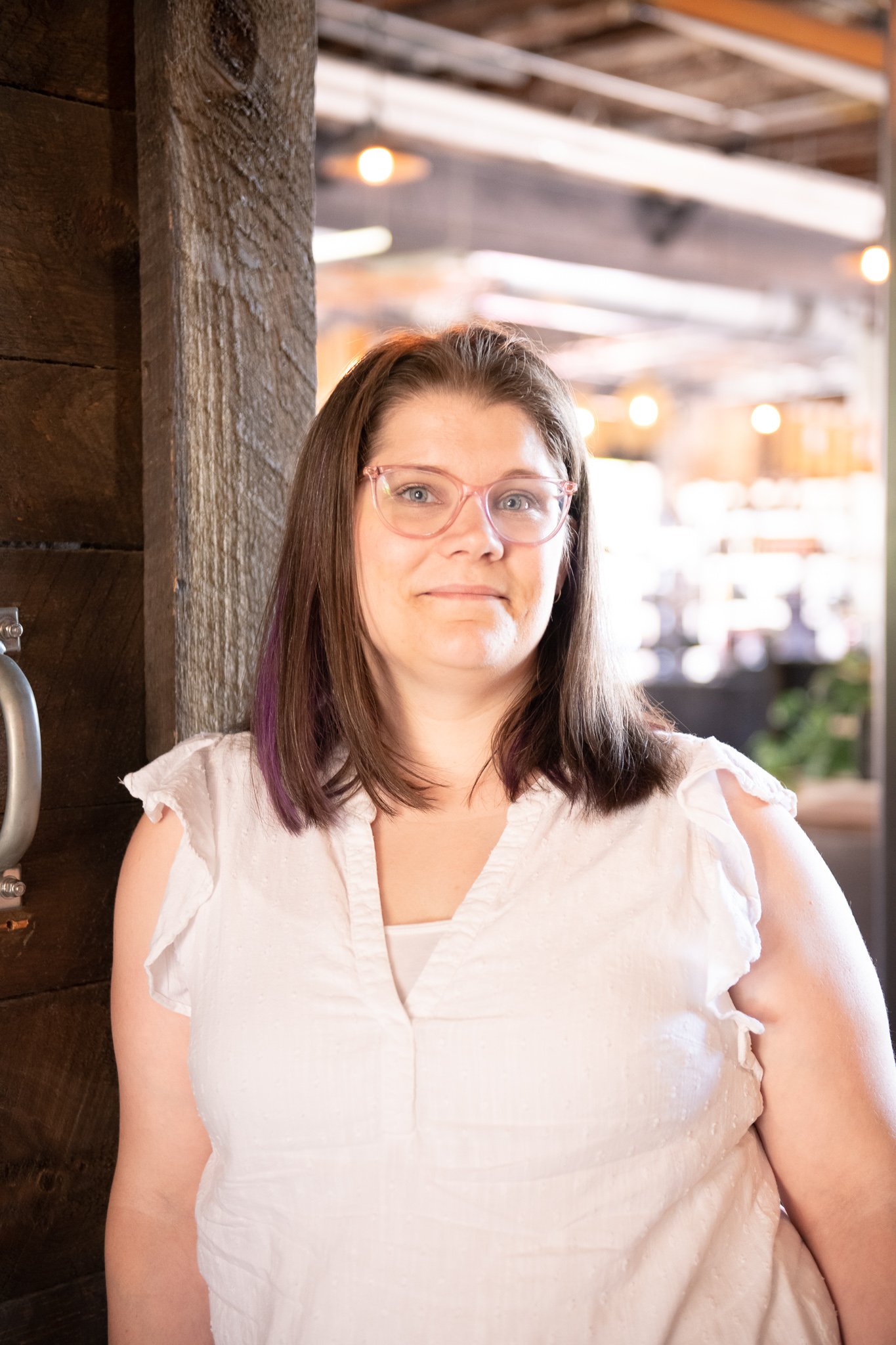
Emily Cleghorn is an award-winning Holistic Trigger Recovery Coach, bestselling author, podcaster, and sought-after speaker on a mission to help trauma-surviving mamas heal while parenting. Through her signature Mended Mama Method, Emily empowers moms to navigate triggers and tantrums with confidence, breaking free from reactive patterns and creating a peaceful, connected home.
Driven by her passion for creating positive generational change, Emily shares her powerful story of overcoming the grip of childhood trauma to inspire others that healing is possible — even in the chaos of motherhood. Her work has touched countless lives, giving mamas the tools and hope to reclaim their peace and raise emotionally healthy kids.
Want to be a guest on Mamahood After Trauma? Send Emily Cleghorn a message on PodMatch, here