Unpacking the Emotional and Physical Impact of Birth Trauma
In this inspiring episode of Mamahood After Trauma, host Emily welcomes Brandy Cummings, an integrative health practitioner, to discuss the intersection of motherhood, trauma, and healing.
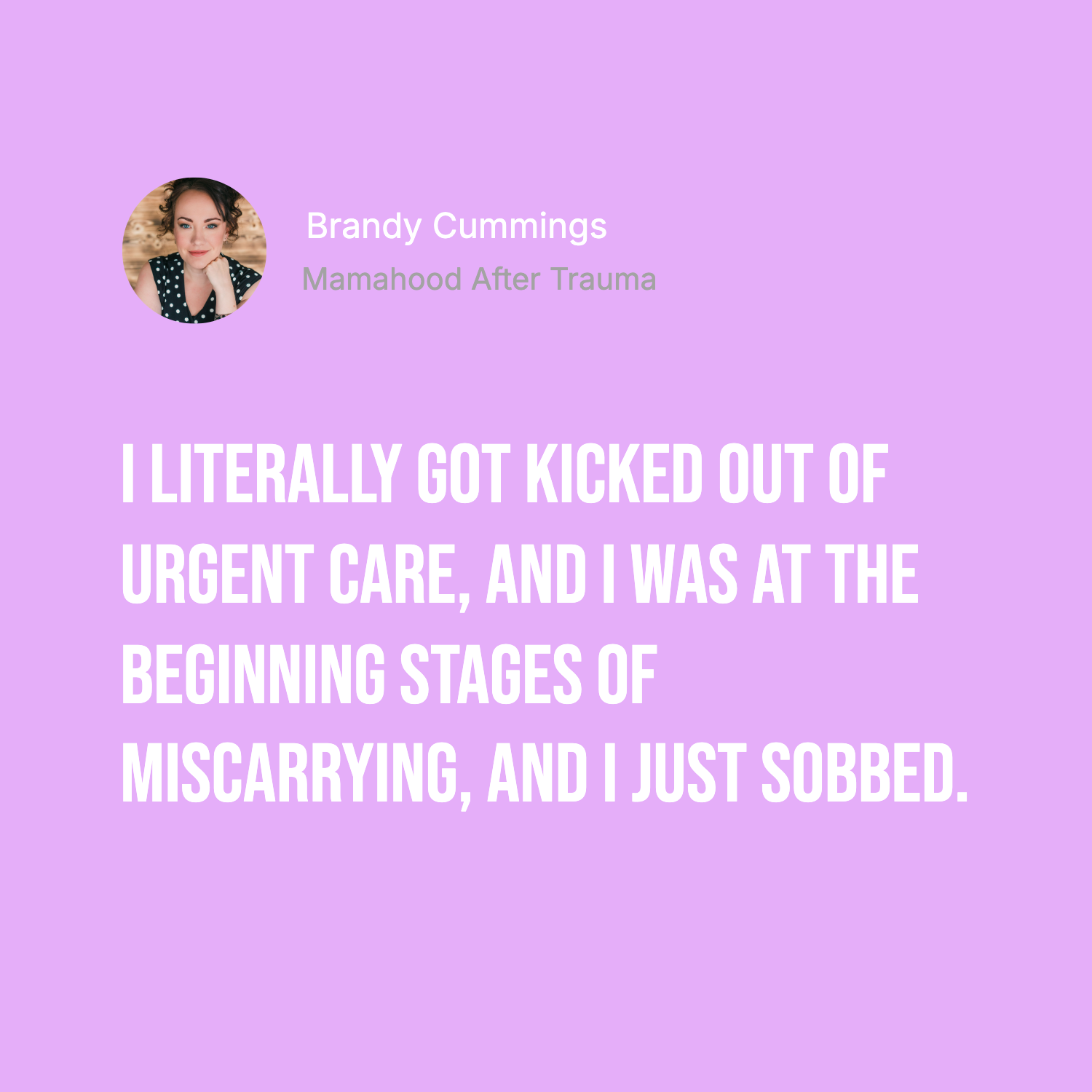
Brandy shares her personal journey through miscarriage, chronic illness, and birth trauma, highlighting the challenges women face in a healthcare system that often dismisses their concerns.
Together, they emphasize the importance of addressing emotional, physical, and spiritual health, and empower mothers to advocate for themselves.
Listeners gain practical advice on self-advocacy, holistic healing, and the value of community support in reclaiming health and peace after trauma.
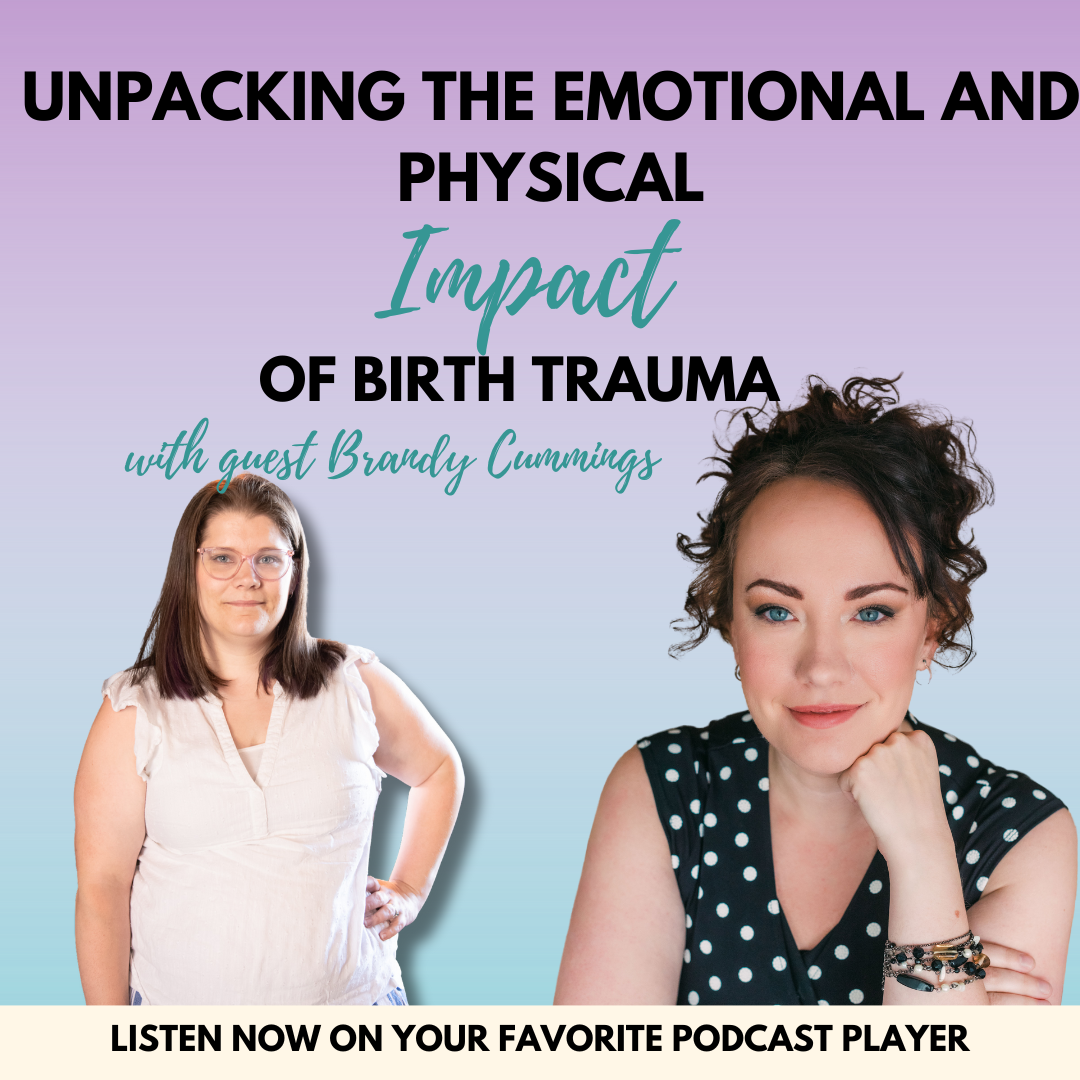
Table of Contents
Introduction and Resource Mention (00:00:00) Emily welcomes listeners, introduces the podcast, and mentions a free resource guide for managing triggers.
Brandi’s Personal Health Journey (00:01:33) Brandy shares her early interest in integrative health, her miscarriage, chronic illness, and being dismissed by healthcare providers.
Turning Point and Career Pivot (00:03:33) Brandy describes reaching a low point, regaining her health, and shifting her practice to focus on mothers and trauma.
Emily’s Miscarriage and Self-Advocacy (00:04:55) Emily recounts her own miscarriage, being dismissed by doctors, and taking charge of her health and fertility.
Brandi’s Motivation and Practice Focus (00:06:55) Brandy discusses her motivation to help mothers, her focus on fertility, and recognizing patterns in clients’ experiences.
Integrating Emotional and Physical Health (00:10:50) Emily and Brandy discuss the importance of addressing emotional, physical, and spiritual health together for true healing.
Client Story: Emotional Healing and Fertility (00:13:16) Brandy shares a client case where addressing emotional fears led to improved fertility and well-being.
Being Heard by Healthcare Providers (00:14:47) Emily describes the relief of finally being listened to by a practitioner who connected her stress to physical symptoms.
Gaslighting and Self-Advocacy in Healthcare (00:15:31) Emily and Brandy discuss the prevalence of women being dismissed, the need for self-advocacy, and tips for taking charge.
Practical Advocacy and Testing Advice (00:16:37) Brandy offers advice on advocating for oneself, the importance of being in the “pilot seat,” and using proper lab testing.
Common Experiences of Dismissal (00:20:26) Emily and Brandy reflect on preparing questions for appointments and the frustration of being dismissed or gaslit.
Closing and How to Connect with Brandi (00:21:37) Emily thanks Brandy, who shares her website and Instagram for further connection.
Podcast Outro and Final Encouragement (00:21:56) Emily closes the episode, reminding listeners they’re not alone and encouraging them to start their healing journey.
Healing and Advocacy in Motherhood After Trauma: In-Depth Insights from Emily and Brandy
Motherhood is a journey filled with joy, challenge, and transformation. For many women, especially those who have experienced trauma—whether from childhood, birth, or loss—the path to healing can feel isolating and overwhelming. In a recent episode of the "Motherhood After Trauma" podcast, host Emily and integrative health practitioner Brandy dive deep into the realities of navigating health, trauma, and advocacy as mothers. Their conversation is a powerful reminder that healing is multi-dimensional, and that mothers deserve to be heard, supported, and empowered.
In this comprehensive blog post, we’ll break down the main themes and actionable tips from their discussion, offering you expert guidance and nuanced advice to support your own healing journey.
The Overlooked Connection: Trauma, Health, and Motherhood
Both Emily and Brandy share personal stories of miscarriage, chronic illness, and feeling dismissed by healthcare providers. These experiences are not isolated—many mothers report similar struggles, especially when trauma is involved.
Key Insight:
Trauma leaves an “energetic blueprint” that can manifest physically, emotionally, and spiritually. Ignoring any one of these aspects can stall healing.
- Physical symptoms (like irregular cycles, chronic fatigue, or pain) often have roots in unresolved emotional or spiritual trauma.
- Emotional wounds (such as fear, grief, or feeling unsupported) can dysregulate the nervous system, impacting fertility, immunity, and overall well-being.
- Spiritual disconnection (loss of meaning, hope, or trust) can make recovery feel impossible.
Takeaway:
Healing after trauma requires a holistic approach that honors the interconnectedness of body, mind, and spirit.
The Reality of Being Dismissed in Healthcare
A recurring theme in the episode is the frustration of being dismissed, gaslit, or told “everything is fine” when it clearly isn’t. Both Emily and Brandy recount being told by doctors that their symptoms were normal or unimportant, even in the midst of miscarriage or chronic illness.
Why does this happen?
- The current healthcare model often separates physical symptoms from emotional and spiritual health.
- Many providers are overworked, under-resourced, or trained to focus on “normal” lab ranges that don’t reflect individual health.
- Women, especially mothers, are frequently socialized to defer to authority and minimize their own needs.
Impact:
This dismissal can deepen trauma, erode trust, and delay healing.
Why Integrative Healing Matters
Brandy’s journey from traditional nutrition and functional medicine to a more integrative, trauma-informed practice highlights a crucial truth: You can’t supplement or diet your way out of trauma.
- Functional medicine focuses on root causes, but often still prioritizes physical interventions.
- Integrative health brings together nutrition, environment, emotional healing, and spiritual support.
- Trauma-informed care recognizes that past experiences shape current health and must be addressed for true healing.
Expert Insight:
If you’re “doing all the right things” but not seeing results, it’s time to look beyond the physical and address the emotional and spiritual layers.
Actionable Tips for Advocating for Your Health
Brandy offers several nuanced, actionable strategies for mothers who feel stuck, dismissed, or unsupported in their health journey.
1. Don’t Settle for Dead Ends—Keep Seeking Answers
Key Point:
Just because you haven’t found answers yet doesn’t mean there aren’t any.
Action Steps:
- If a provider dismisses your concerns, don’t set up camp at a dead end. Seek a second (or third) opinion.
- Plug into community: Ask other mothers about their experiences and recommendations.
- Find a practitioner who listens, believes you, and is willing to dig deeper.
Expert Advice:
Persistence is not just allowed—it’s necessary. Your intuition about your body is valid.
2. Step Into the Pilot’s Seat of Your Health
Key Point:
You are the expert on your own body. Providers are there to support you, not dictate your experience.
Action Steps:
- Give yourself permission to be in charge. Imagine yourself in the pilot’s seat, with your healthcare team as co-pilots.
- Rehearse what you want to say before appointments, but also demand to be heard.
- Fire providers who don’t respect your voice or concerns.
Expert Advice:
Healthcare should be a partnership. If you’re not being treated as an equal, it’s time to find someone who will.
3. Test, Don’t Guess—The Power of Proper Lab Work
Key Point:
Many women are told their labs are “normal” because of outdated reference ranges or incomplete testing.
Action Steps:
- Start with comprehensive bloodwork—it’s cost-effective and can reveal much if interpreted correctly.
- Work with practitioners who understand how to read labs through a functional lens, not just for disease but for optimal health.
- Consider additional tests (stool, hormone, organic acids, toxins) if needed, but don’t skip the basics.
Expert Advice:
Don’t waste time or money on guesswork. Insist on thorough, individualized testing and interpretation.
4. Prepare for Appointments—But Demand True Partnership
Key Point:
Preparation is important, but so is the quality of the interaction.
Action Steps:
- Write down your questions and symptoms before appointments.
- Bring a support person if you feel nervous or overwhelmed.
- Set boundaries: If you’re rushed or dismissed, say so. You deserve time and attention.
Expert Advice:
If you consistently leave appointments feeling unheard, it’s a sign the provider isn’t the right fit.
The Unseen Power of Emotional Healing
One of the most profound insights from Brandy’s practice is the impact of unconscious emotions on physical health. She shares a story of a client with irregular cycles who, after addressing deep-seated fears about motherhood, experienced immediate physical changes.
Key Takeaways:
- The unconscious mind holds fears and beliefs that can block healing.
- Emotional release (through therapy, coaching, or somatic work) can lead to rapid shifts in physical symptoms.
- Nervous system regulation is essential for fertility, immunity, and overall well-being.
Actionable Advice:
- Explore modalities like trauma-informed therapy, EMDR, somatic experiencing, or breathwork.
- Practice self-compassion and allow yourself to feel and process emotions.
- Don’t underestimate the power of a single breakthrough session—sometimes, one insight can unlock major healing.
Expert Recommendations for Mothers on a Healing Journey
Drawing from the episode, here are specific, expert-backed recommendations:
- Build a support network: Connect with other mothers, online communities, or local groups who understand trauma and healing.
- Educate yourself: Learn about trauma, nervous system regulation, and integrative health approaches.
- Prioritize self-advocacy: Remember, you can change providers, request different tests, and say no to treatments that don’t feel right.
- Integrate healing practices: Nutrition, movement, mindfulness, and emotional processing all play a role.
- Seek practitioners who listen: Whether it’s a doctor, therapist, or coach, find someone who validates your experience and partners with you.
Final Thoughts: You Are Not Alone
Emily closes the episode with a powerful reminder: You are not alone. Healing after trauma is possible, and there are resources, communities, and practitioners ready to support you.
Next Steps:
- Download the Unlocking Piece Guide for practical tools to start your healing journey.
- Connect with Brandy at resilientmotherhoodhealth.com or on Instagram @resilientmotherhoodhealth for more support.
- Keep listening, learning, and advocating—your voice and your healing
About Brandy Cummings

Dr. Brandy Cummings, DCN, is not your typical nutritionist—she’s a former blackjack dealer who routinely chooses steak over quinoa, roasted veggies over kale chips, and, most importantly, she understands. Her passion for root cause-focused nutrition stems from her own struggles with illness, infertility, and feeling forgotten by conventional medicine.
After overcoming severe mold exposure that triggered the loss of her first pregnancy as well as countless other debilitating symptoms, Dr. B explored every corner of improving cellular health; she researched overlooked causes of chronic illness, such as mold, parasites, reactivated viral infections, and a dysregulated nervous system and was alarmed at the lack of continuous care offered by the conventional model.
Dr. Cummings holds an impressive list of qualifications, with her Doctorate of Clinical Nutrition from the University of Western States in Portland, OR. She lives in Idaho with her husband and two young daughters and is a proud homeschooler, foodie, and Lego enthusiast. You can find her at www.resilientmotherhood.health.
Want to be a guest on Mamahood After Trauma? Send Emily Cleghorn a message on PodMatch, here