
The Best Way to Release Trauma and Rediscover Your Identity
In this episode of Mamahood After Trauma, host Emily addresses the profound challenge trauma-surviving mothers face in letting go of trauma without losing their sense of self.
She shares compassionate strategies for acknowledging and releasing trauma, separating identity from past pain, and staying grounded in one’s core values.
Emily offers practical steps and promotes her free "Unlocking Peace Guide" to support listeners in managing triggers and reclaiming calm.
The episode closes with an encouraging reminder that healing is possible and mothers are never alone on their journey toward peace and self-discovery.
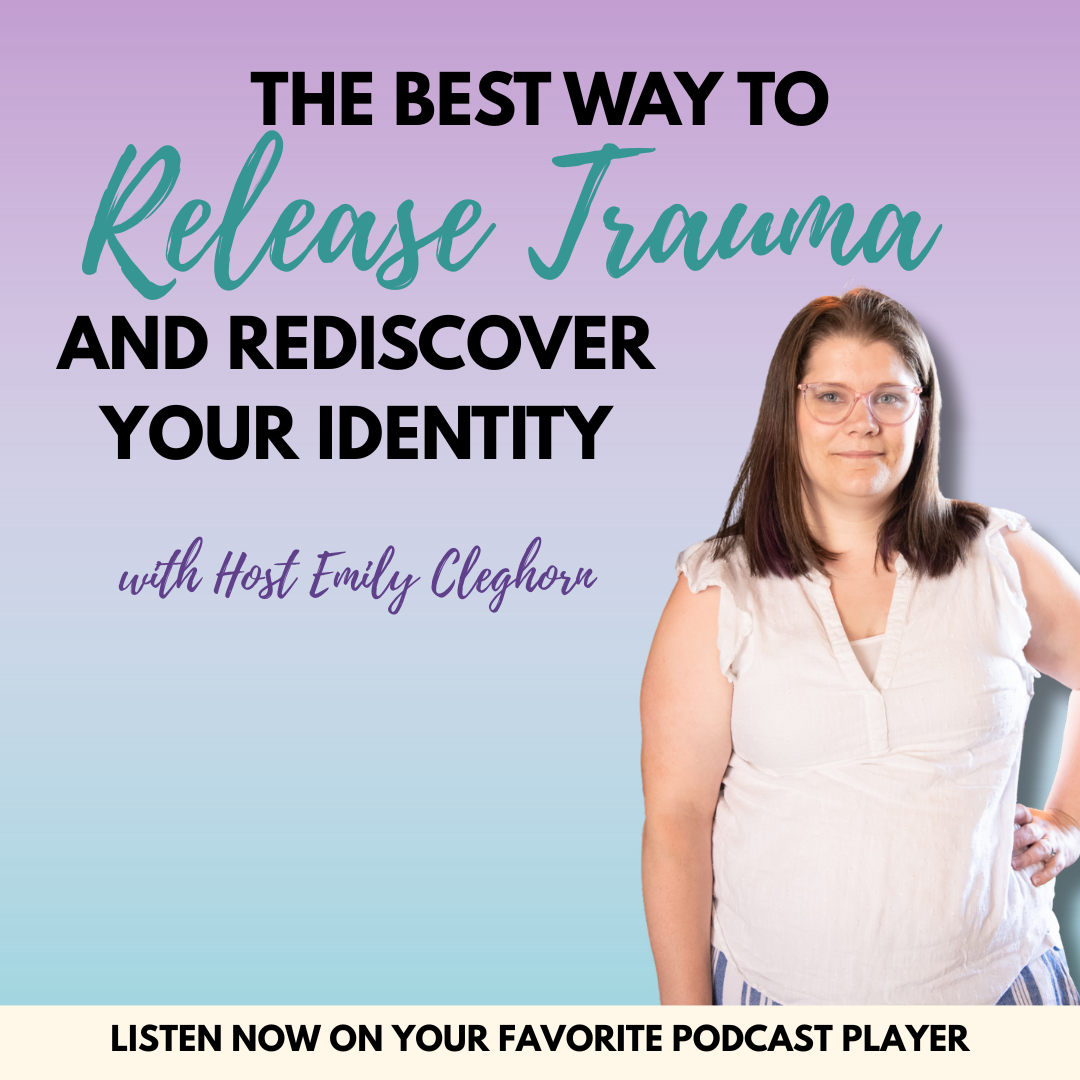
Table of Contents
Introduction and Resource Reminder (00:00:00)
Emily welcomes listeners, introduces the podcast, and promotes the free "Unlocking Peace Guide" resource.
The Challenge of Letting Go (00:02:14)
Emily discusses the fear of losing identity when letting go of trauma and shares her personal experience.
Steps to Letting Go Safely (00:04:19)
Emily outlines steps: acknowledging trauma, separating identity, releasing with intention, and staying connected to core self.
Resource Promotion and Encouragement (00:06:49)
Emily encourages listeners to download the "Unlocking Peace Guide" and offers words of support and validation.
Closing Message and Final Reminder (00:07:48)
A second speaker reminds listeners to download the guide and reassures them they are not alone in their healing journey.
Letting Go Without Losing Yourself: A Deep Dive into Healing for Trauma-Surviving Mothers
Welcome to the "Motherhood After Trauma" community. In this episode, host Emily opens up about a profound challenge many trauma-surviving mothers face: How do you let go of trauma without losing your sense of self? This is not just a question of healing, but of identity, safety, and reclaiming peace. If you’ve ever wondered who you are beyond your trauma, or feared that healing might erase the parts of you that have survived so much, this post is for you.
Below, we break down Emily’s thoughtful, actionable approach to letting go—step by step. Each section offers in-depth guidance, expert insights, and practical strategies to help you move forward with compassion and confidence.
Understanding the Core Challenge: Letting Go Without Losing Yourself
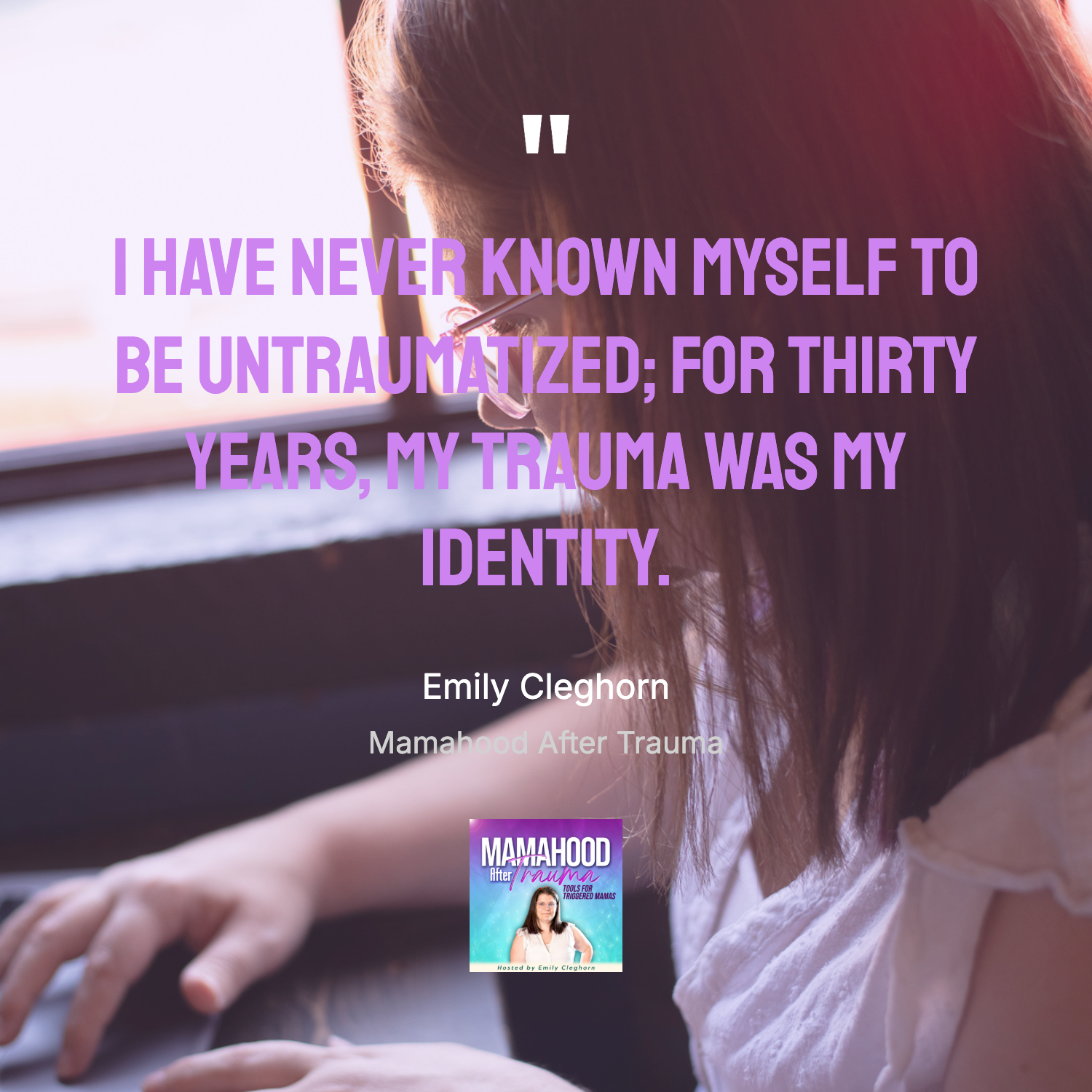
For many mothers who have survived trauma, the pain, anger, and coping mechanisms become woven into the fabric of daily life. As Emily shares, “I had never known myself without trauma. For the first 30 years of my life, trauma had become my identity.” The fear is real: If I let go, what’s left?
The truth, as Emily discovered, is that letting go doesn’t erase you—it frees you. It allows the authentic, joyful, resilient parts of you to emerge. But this process requires intention, safety, and support.
Emily’s Four-Step Approach to Healing
1. Acknowledge What You’re Holding
Why it matters:
You can’t release what you haven’t named. Trauma often lingers in the shadows, manifesting as anxiety, anger, or self-doubt. Bringing it into the light is the first act of self-compassion.
How to do it:
- Name your burdens:
- Write down what you’re carrying—anger, resentment, fear, guilt, or specific memories.
- Be honest and gentle with yourself. There’s no “right” way to do this.
- Use safe spaces:
- If writing feels overwhelming, try voice notes, art, or talking with a trusted friend or therapist.
- Why this works:
- Seeing your pain in black and white (or hearing it aloud) helps you separate it from your core self. It becomes something you have, not something you are.
Expert Insight:
Naming your trauma is a form of exposure therapy—it reduces its power over you and is the first step toward integration and release.
2. Separate Your Identity from Trauma
Why it matters:
Trauma shapes us, but it does not define us. Many survivors internalize their pain, believing it is who they are. This step is about reclaiming your true self.
How to do it:
- Seek support:
- Healing is rarely a solo journey. Reach out to a therapist, support group, or trusted confidant.
- Professional guidance can help you untangle your identity from your experiences.
- Affirm your worth:
- Remind yourself: “I am more than what happened to me.”
- List qualities, values, and dreams that are uniquely yours—beyond your trauma.
- Practice self-compassion:
- Notice when you use language like “I am broken” or “I am damaged.” Gently reframe: “I have been hurt, but I am healing.”
Expert Insight:
Identity work is foundational in trauma recovery. According to trauma specialists, separating self from trauma allows for post-traumatic growth and the rediscovery of joy, creativity, and purpose.
3. Release with Intention
Why it matters:
Letting go is not a one-time event—it’s a process. Your mind and body need to feel safe to release old patterns. Intentionality creates that safety.
How to do it:
- Set boundaries:
- Protect your energy. Say no to people or situations that trigger old wounds.
- Boundaries are not walls—they are bridges to self-respect.
- Journaling and rituals:
- Write letters to your past self or to your trauma, then safely destroy or store them as a symbolic release.
- Create small rituals—lighting a candle, meditating, or even a mindful walk—to mark moments of letting go.
- Body-based practices:
- Trauma lives in the body. Try gentle movement, breathwork, or grounding exercises to signal safety and release.
- Repeat as needed:
- Healing is cyclical. Return to these practices whenever you feel the weight returning.
Expert Insight:
Research shows that intentional rituals and boundary-setting help rewire the nervous system, making it easier to move from survival mode to a state of calm and connection.
4. Stay Connected to Your Core Self
Why it matters:
As you release what’s heavy, it’s vital to anchor yourself in what’s true and joyful about you. This is how you prevent an identity crisis and foster lasting peace.
How to do it:
- Daily grounding:
- Start or end your day with a grounding practice—deep breathing, gratitude journaling, or a mindful check-in with your body.
- Reconnect with values:
- Identify your core values (kindness, creativity, honesty, etc.) and find small ways to live them each day.
- Pursue joy:
- Make space for activities that bring you genuine pleasure—art, music, nature, play with your children.
- Celebrate progress:
- Acknowledge every step, no matter how small. Healing is not linear, and every act of self-care counts.
Expert Insight:
Staying connected to your core self builds resilience. It reminds you that you are whole, worthy, and capable of joy—regardless of your past.
Practical Tools: The "Unlocking Peace Guide"
Emily offers a free resource, the Unlocking Peace Guide, filled with practical tools to help you:
- Manage triggers
- Reclaim calm
- Implement the steps above in your daily life
Recommendation:
Download the guide and use it as a companion on your healing journey. It’s designed specifically for mothers navigating trauma recovery, with actionable exercises and gentle encouragement.
Final Thoughts: You Are Not Alone
Healing from trauma is a courageous, ongoing process. As Emily reminds us, “You can release what’s heavy without losing yourself in the process.” The journey is not about erasing your past, but about reclaiming your future—with kindness, support, and intention.
Remember:
- You are not alone.
- Your trauma does not define you.
- Peace and joy are possible, one step at a time.
Take Action:
- Download the Unlocking Peace Guide.
- Reach out for support—whether through therapy, community, or trusted friends.
- Celebrate your progress, and keep showing up for yourself.
You are seen. You are valued. You are healing.
About Emily Cleghorn

Emily Cleghorn is an award-winning Holistic Trigger Recovery Coach, bestselling author, podcaster, and sought-after speaker on a mission to help trauma-surviving mamas heal while parenting. Through her signature Mended Mama Method, Emily empowers moms to navigate triggers and tantrums with confidence, breaking free from reactive patterns and creating a peaceful, connected home.
Driven by her passion for creating positive generational change, Emily shares her powerful story of overcoming the grip of childhood trauma to inspire others that healing is possible — even in the chaos of motherhood. Her work has touched countless lives, giving mamas the tools and hope to reclaim their peace and raise emotionally healthy kids.
Want to be a guest on Mamahood After Trauma? Send Emily Cleghorn a message on PodMatch, here